The Complete Guide to Ring Care & Maintenance

This post may contain affiliate links. Read our affiliate policy
Your engagement ring represents one of the most significant purchases—and emotional investments—of your life. Whether you've just said "yes" or have been wearing your ring for decades, proper care ensures your ring maintains its brilliance and structural integrity for generations. This comprehensive guide covers everything you need to know about protecting your precious jewelry, from daily care routines to professional maintenance schedules.
Table of Contents
- Why Ring Care Matters
- Daily Care Habits
- Weekly Cleaning Routine
- Cleaning by Metal Type
- Cleaning by Stone Type
- Professional vs DIY Cleaning
- Prong Inspection & Maintenance
- White Gold & Rhodium Plating
- Ring Resizing
- Proper Storage
- Insurance & Appraisals
- Handling Scratches & Wear
- When to Repair vs Replace
- Seasonal Considerations
- FAQ
Why Ring Care Matters
Beyond aesthetics, proper ring care protects your investment and prevents costly damage. Stone loss from worn prongs is one of the most common jewelry insurance claims—and one that regular inspection prevents. Additionally, untreated buildup of lotions, soaps, and natural oils significantly dulls diamond brilliance, as dirt blocks light from entering and exiting the stone properly.
The good news? Most ring damage is preventable with simple habits and regular maintenance. A well-cared-for ring maintains its beauty and value, becoming the heirloom you intend it to be.
The Cost of Neglect
- Stone loss: Replacing a center diamond costs $3,000-$10,000+ depending on size and quality
- Prong damage: Emergency repairs average $75-$200
- Deep scratches: Professional refinishing runs $50-$150
- Metal erosion: Rebuilding worn bands costs $200-$500+
- Bent shanks: Reshaping services range from $30-$100
Compared to these costs, investing time in regular care and occasional professional maintenance is remarkably affordable.
Daily Care Habits
The foundation of ring longevity is what you do—and don't do—every day.
When to Remove Your Ring
Take off your ring before:
- Showering or bathing: Soap residue clouds stones and builds up under settings
- Applying lotions, perfumes, or hair products: Chemicals can damage metals and coat stones
- Cooking and baking: Dough gets into settings; oils coat surfaces
- Cleaning with household chemicals: Bleach and ammonia damage gold alloys
- Swimming: Chlorine weakens gold and platinum prongs; cold water shrinks fingers
- Exercising: Impact can bend prongs; weights scratch metals
- Gardening or yard work: Dirt compacts into settings; impacts risk stones
- Sleeping: Pressure can bend prongs; fabric catches in settings
When It's Safe to Wear
Your ring can stay on during:
- Normal desk work and computer use
- Light housework (dishes with mild soap is fine)
- Walking, casual activities, and socializing
- Most travel activities (but remove for security screening—place in your carry-on bag, never the bin)
Create a Designated Spot
The number one cause of lost rings is "temporary" placement—on a bathroom counter, nightstand edge, or kitchen windowsill. Establish one permanent home for your ring:
- A ring dish on your nightstand
- A dedicated compartment in your jewelry box
- A wall-mounted ring holder in your bathroom
Consistency prevents the "where did I put it?" panic that leads to lost jewelry.
Weekly Cleaning Routine
A simple weekly cleaning maintains brilliance between professional cleanings.
The Gentle Soak Method
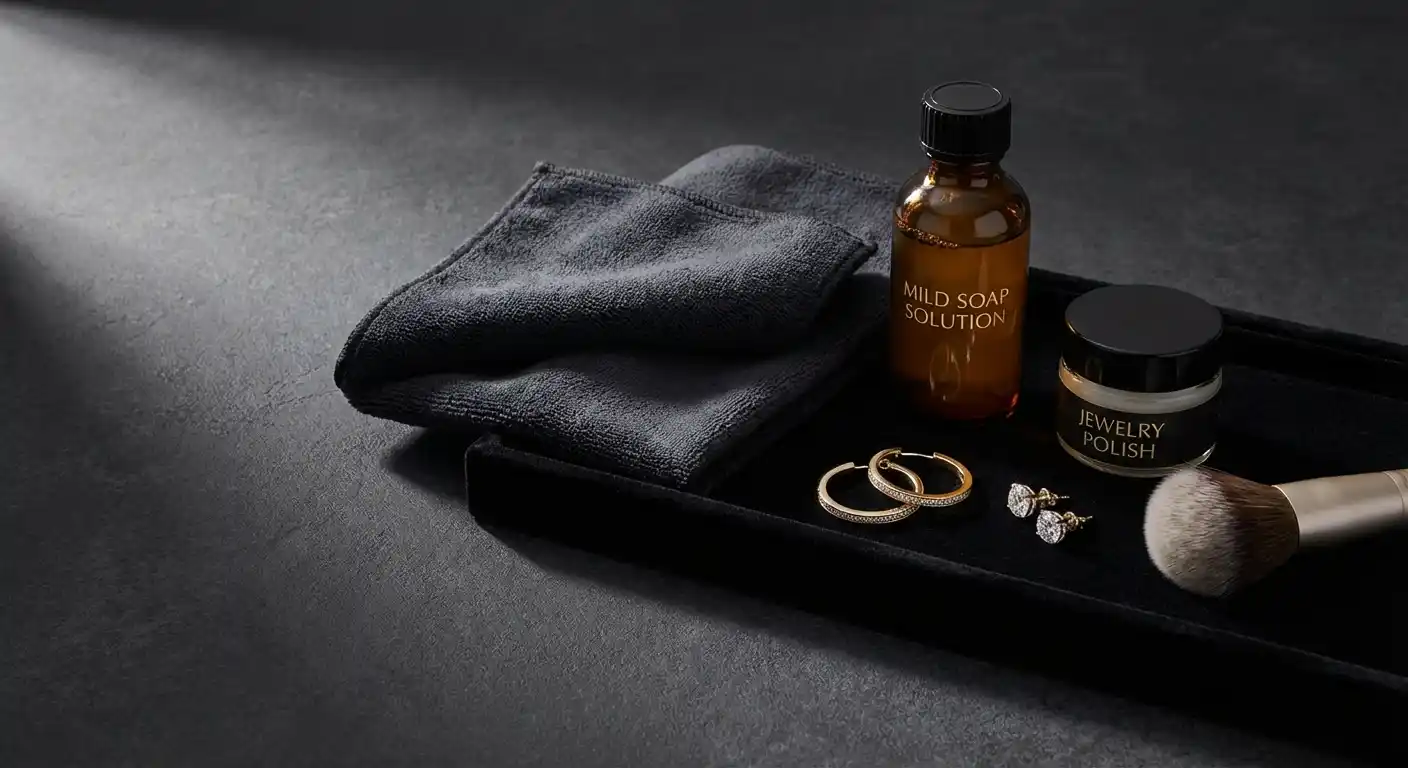
For regular home cleaning, a complete jewelry cleaning kit provides everything you need. Alternatively, gather these supplies:
What you'll need:
- Small bowl
- Warm (not hot) water
- Few drops of mild dish soap (Dawn works well)
- Soft-bristled toothbrush
- Lint-free cloth
Steps:
- Mix warm water with a small amount of mild dish soap
- Soak ring for 15-30 minutes
- Gently brush with soft toothbrush, paying attention to behind the stone and along the prongs
- Rinse thoroughly under warm running water (close the drain!)
- Pat dry with lint-free cloth
- Allow to air dry completely before storing
This method works for diamonds, sapphires, rubies, and most hard gemstones set in gold or platinum. For other stones and metals, see our specific guides below.
Quick Daily Shine
For quick touch-ups between deep cleanings, pre-treated jewelry wipes remove fingerprints and light residue in seconds. Keep a pack in your purse, desk drawer, and bathroom for instant sparkle.
Cleaning by Metal Type
Different metals require different approaches. Using the wrong cleaning method can damage finishes or cause discoloration.
Gold (Yellow, White, and Rose)
Gold is relatively durable but can scratch and, in the case of white gold, requires periodic replating. Use warm soapy water and avoid abrasive cleaners. A professional ultrasonic cleaner is safe for gold and removes buildup from intricate settings that brushing can't reach.
Avoid: Chlorine (weakens the alloy), harsh chemicals, abrasive pads
For detailed instructions on caring for different gold types and karats, see our complete guide to cleaning gold, platinum, and silver rings.
Platinum
Platinum is extremely durable but develops a patina (soft matte finish) over time. Some wearers love this aged look; others prefer the original polish.
Cleaning: Warm soapy water works well. Ultrasonic cleaners are safe. Polishing: Professional polishing restores the original shine but removes a microscopic layer of metal—don't overdo it.
Silver
Silver tarnishes naturally when exposed to air and sulfur compounds. Regular cleaning prevents heavy tarnish buildup.
Cleaning: Specialized silver polish or a baking soda paste. Avoid ultrasonic cleaners for antique or oxidized silver. Prevention: Store with anti-tarnish strips; wear regularly (skin oils slow tarnishing)
Alternative Metals (Tungsten, Titanium, Cobalt)
These contemporary metals used in men's wedding bands each have specific care requirements:
Tungsten: Nearly scratch-proof but can shatter on impact. Clean with mild soap and water only. Titanium: Lightweight and hypoallergenic. Safe for most cleaning methods. Cobalt: Similar care to white gold. Avoid harsh chemicals.
Cleaning by Stone Type
Not all gemstones can handle the same cleaning methods. Knowing your stone's hardness and porosity prevents damage.
Diamonds
Diamonds (10 on the Mohs hardness scale) are highly durable and can withstand most cleaning methods:
- Warm soapy water ✓
- Ultrasonic cleaners ✓
- Steam cleaners ✓ (for unfractured stones)
- Ammonia-based cleaners ✓ (for occasional deep cleaning)
The biggest enemy of diamond brilliance is buildup underneath the stone, so focus cleaning efforts on the pavilion (bottom) and around the prongs.
Colored Gemstones
Sapphires and Rubies (9 hardness): Safe for most methods, but heat-treated stones should avoid sudden temperature changes.
Emeralds (7.5-8 hardness): Almost always oil-treated to fill natural inclusions. Never use ultrasonic cleaners, steam cleaners, or solvents—warm soapy water only.
Opals (5.5-6.5 hardness): Porous and heat-sensitive. Use only dampened soft cloth. Never soak or use chemicals.
Pearls
Pearls require the gentlest care of all gemstones:
- Wipe with slightly damp soft cloth after each wearing
- Never soak in water or use any chemicals
- Store separately to prevent scratching
- Restring annually if worn frequently
For complete care instructions for every popular gemstone, see our guide to cleaning diamonds, gemstones, and pearls.
Professional vs DIY Cleaning
Understanding when home cleaning is sufficient—and when professional service is essential—saves both money and potential damage.
What Home Cleaning Accomplishes
- Removes surface oils, lotions, and fingerprints
- Clears light dust and debris
- Maintains shine between professional visits
- Addresses routine buildup
What Requires Professional Service
- Deep-set grime in intricate settings
- Inspection of prongs and settings
- Polishing scratches from metal
- Tightening loose stones
- Replating white gold
Recommendation: Visit a jeweler for professional cleaning and inspection every 6-12 months. Most reputable jewelers offer this service free for customers (and sometimes for walk-ins hoping to build relationships).
Learn more about when to seek professional help in our guide to professional vs DIY ring cleaning.
& Maintenance
Prongs are the small metal claws that hold your stone in place—and they're the most common failure point in ring construction.
Signs of Prong Problems
Check for these warning signs during your weekly cleaning:
- Visible gaps between prong and stone
- Bent or flattened prongs that no longer grip properly
- Worn prong tips that look thin or flat instead of rounded
- Catching on fabric when prongs have lifted
- Rattling sound when you tap the ring lightly (indicates loose stone)
How to Inspect at Home
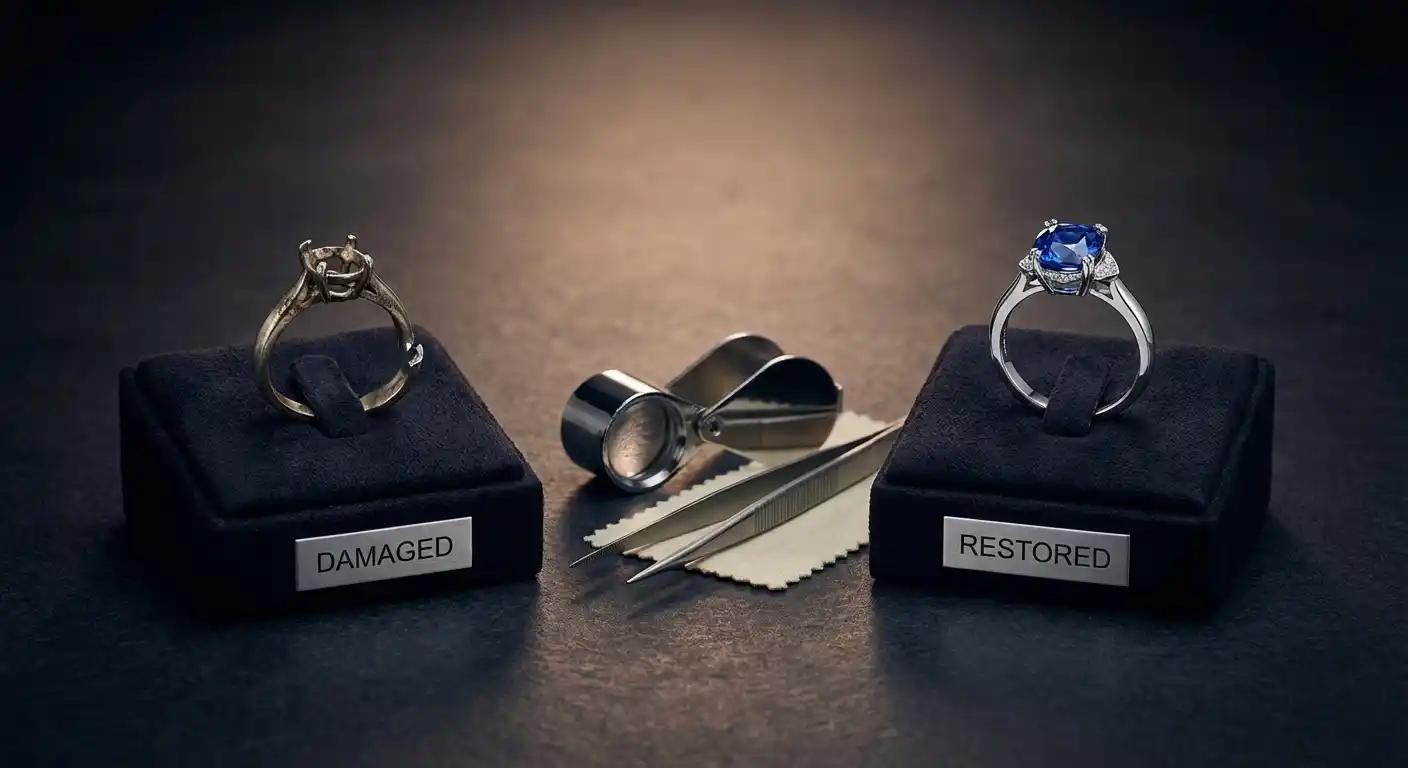
- Use a 10x jeweler's loupe (available for under $15)
- Examine each prong from multiple angles
- Gently try to wiggle the stone with a fingernail—it should not move
- Look for any light showing between prong and stone
Professional Prong Maintenance
A jeweler can:
- Tighten prongs that have loosened
- Retip worn prongs by adding metal to the tips
- Replace damaged prongs entirely
- Convert to a more secure setting style if needed
Prong retipping typically costs $25-$75 per prong. Catching worn prongs early prevents stone loss—a dramatically more expensive problem.
For a complete guide to protecting your center stone, see our article on prong inspection and preventing stone loss.
White Gold & Rhodium Plating
White gold isn't naturally white—it's yellow gold alloyed with white metals (usually palladium or nickel) and plated with rhodium for brightness. This plating wears over time, revealing warmer tones underneath.
Signs You Need Replating
- Yellow or warm tones appearing, especially on the band's underside
- Uneven coloring where wear is heaviest
- Loss of the bright, reflective finish
The Replating Process
- Jeweler cleans the ring thoroughly
- Ring is placed in rhodium plating solution
- Electrical current deposits a thin rhodium layer
- Ring is rinsed and polished
Cost: $40-$100 depending on ring complexity and local rates Frequency: Every 1-3 years depending on wear
Extending Time Between Platings
- Remove ring during activities that cause friction
- Avoid contact with harsh chemicals
- Clean regularly to prevent abrasive buildup
- Consider switching to platinum for the long term
For everything you need to know about maintaining white gold's bright finish, read our guide to rhodium plating and white gold care.
Ring Resizing
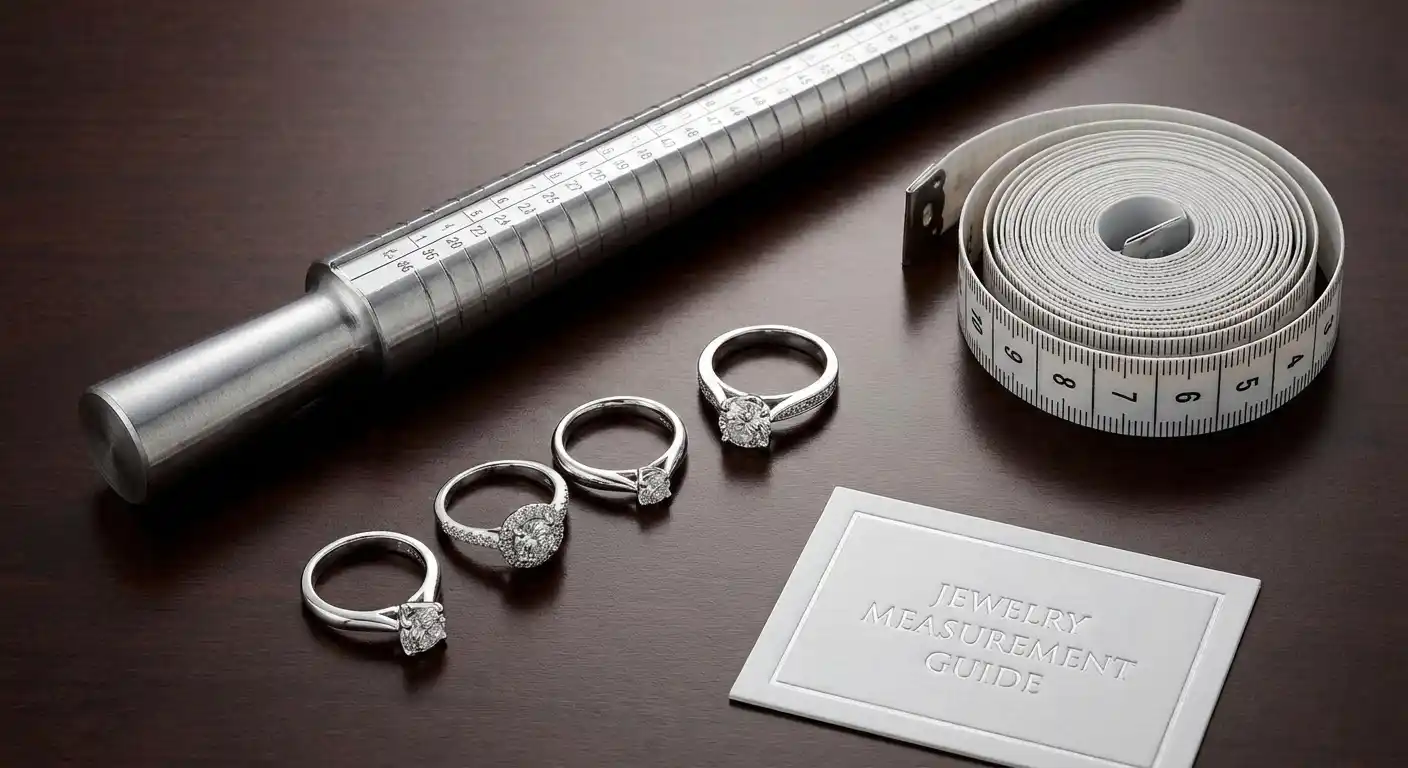
Fingers change size due to weight fluctuations, temperature, humidity, pregnancy, and age. A properly fitted ring should slide over the knuckle with slight resistance and rest comfortably at the finger's base.
When to Resize
- Ring spins freely and rotates around finger
- Ring leaves deep indentations or won't come off
- Ring flies off when washing hands
- Knuckle has swollen but ring fits well otherwise (consider sizing beads or a guard instead)
The Resizing Process
Sizing up: Jeweler cuts the band and adds metal to increase circumference Sizing down: Jeweler cuts out a section of band and solders closed
Limitations:
- Most rings can only be resized 1-2 sizes
- Eternity bands (diamonds all around) often cannot be resized
- Tension settings may become structurally compromised
- Some alternative metals (tungsten) cannot be resized at all
Cost: $30-$100 for simple bands; $50-$150+ for intricate settings
For complete information on options and alternatives, see our ring resizing guide.
Proper Storage
How you store your ring when it's not on your finger affects both its security and condition.
At Home
- Individual compartments: Rings should never touch each other—harder stones scratch softer ones
- Fabric lining: Soft lining prevents metal scratches
- Away from sunlight: Some gemstones (amethyst, topaz) can fade with prolonged light exposure
- Anti-tarnish strips: Essential for silver; helpful for gold
- Secure location: A locked jewelry box or hidden spot deters theft
During Travel
- Carry-on only: Never check valuable jewelry
- Dedicated travel case: A compact travel jewelry box with ring rolls and separate compartments prevents damage from pieces rubbing together
- Hotel safes: Use for storage when out; photograph contents first
- Insurance documentation: Bring appraisals and policy info
Special Considerations
- Humidity: High humidity promotes tarnish; silica gel packets help in storage boxes
- Temperature: Extreme temperatures can stress settings and damage some stones
- Other jewelry: Store delicate pieces (pearls, opals) separately from harder items
For complete storage solutions at home and on the go, see our jewelry storage guide.
Insurance & Appraisals
Your engagement ring deserves protection beyond careful handling. Jewelry insurance covers theft, loss, damage, and mysterious disappearance.
Getting an Appraisal
An appraisal establishes your ring's replacement value for insurance purposes:
- When: Immediately after purchase, then every 2-3 years
- Who: Certified gemologist or appraiser (GIA, AGS credentials)
- Cost: $75-$175 typically
- What's included: Detailed description, measurements, photos, replacement value
Keep appraisals in a secure location separate from the jewelry itself.
Insurance Options
Homeowner's/Renter's Insurance: Often covers jewelry up to a limit (typically $1,000-$2,500) as part of personal property coverage. Higher-value items require a "scheduled personal property" endorsement or "floater" for full coverage.
Standalone Jewelry Insurance: Companies like Jewelers Mutual, Lavalier, and JIBNA specialize in jewelry coverage with benefits including:
- No deductible options
- Worldwide coverage
- Coverage for mysterious disappearance
- Choice of jeweler for replacement
Cost: Typically 1-2% of appraised value annually ($50-$200/year for a $5,000-$10,000 ring)
For complete guidance on protecting your investment, read our jewelry insurance guide.
Handling Scratches & Wear
All rings develop signs of wear over time—it's a natural result of daily use. Understanding what's normal versus what requires attention helps you respond appropriately.
Normal Wear
- Light surface scratches on metal (especially soft metals like gold)
- Patina development on platinum (soft, brushed appearance)
- Minor dulling of high-polish finishes
- Slight rounding of sharp edges over decades
Many people embrace these signs of wear as evidence of a well-loved ring.
When to Seek Polishing
Consider professional polishing when:
- Scratches are deep enough to catch a fingernail
- Appearance bothers you aesthetically
- Scratches are near prongs (can indicate structural weakness)
- You're having other work done (convenient to combine services)
Important: Polishing removes a microscopic layer of metal. Limit polishing to once every few years to preserve the ring's integrity.
Patina Appreciation
Platinum's patina (soft matte finish) is increasingly appreciated as a sign of authenticity and character. Before requesting polishing, consider whether you might grow to appreciate this aged look.
For more on managing wear and when restoration is appropriate, see our guide to ring scratches, patina, and polishing.
When to Repair vs Replace
At some point, every ring owner faces a decision: is this problem fixable, or is it time for a new ring?
Usually Repairable
- Worn prongs: Retipping or rebuilding
- Minor scratches: Polishing
- Loose stones: Tightening settings
- Lost accent stones: Replacement (usually inexpensive)
- Worn shanks: Rebuilding or adding metal
- Rhodium wear: Replating
Potentially Problematic
- Cracked shanks: May be repairable depending on location
- Severely worn settings: Might need complete rebuild
- Lost center stones: Replacement expensive; consider redesign
- Metal fatigue: Depends on extent
Usually Requires Replacement/Redesign
- Multiple structural issues: Cost may approach replacement
- Sentimental redesign: After divorce or inheritance
- Significantly damaged stones: Chipped diamonds or fractured gems
- Style changes: Preference evolution over time
Making the Decision
Consider:
- Repair cost vs replacement cost: If repairs exceed 50% of replacement, consider new
- Sentimental value: Heirlooms deserve repair investment regardless of cost
- Insurance coverage: Check what's covered before deciding
- Future wear: Will the same issues recur?
For detailed guidance on this important decision, see our guide on when to repair vs replace your ring.
Seasonal Considerations
Different seasons present different challenges for ring care.
Summer
- Swimming: Remove before pools (chlorine) and ocean (salt, cold water)
- Sunscreen: Apply before putting ring on; lotions cloud stones
- Swelling: Heat causes finger swelling; watch for too-tight fit
- Vacation: Extra vigilance when traveling; use hotel safes
Winter
- Shrinkage: Cold fingers mean loose rings—be careful during outdoor activities
- Dry skin: Cracked skin can catch on prongs
- Holiday activities: Cooking, gift wrapping increase risk of damage or loss
- Heavy gloves: Can pull rings off; consider removing
Spring/Fall
- Gardening: Always remove for yard work
- Seasonal cleaning: Household chemicals are dangerous
- Allergies: Frequent hand-washing increases soap buildup
Frequently Asked Questions
How often should I clean my engagement ring?
For best results, do a light cleaning weekly and visit a jeweler for professional cleaning every 6-12 months. If your ring looks dull, clean it—you'll be surprised at the difference.
Can I shower with my engagement ring?
It's best to remove it. Soap residue builds up in settings and dulls diamonds. Occasionally showering with your ring won't cause immediate damage, but making it a habit leads to noticeable clouding over time.
Will hand sanitizer damage my ring?
Occasional exposure is fine for diamonds and hard gemstones in gold or platinum. However, frequent exposure to alcohol-based sanitizers can dull the finish on some metals and damage porous stones like pearls and opals. When possible, apply sanitizer to hands before putting your ring on.
How do I know if my diamond is loose?
Listen for a rattling sound when you tap the ring lightly. Try to gently rock the stone with a fingernail—it should not move at all. Look for visible gaps between prongs and stone. If anything seems off, visit a jeweler immediately.
Should I insure my engagement ring?
Absolutely. Standard homeowner's or renter's policies typically only cover $1,000-$2,500 in jewelry. For valuable rings, you need either a scheduled rider on your existing policy or standalone jewelry insurance.
How much does cost annually?
Budget approximately $50-$200 per year for maintenance:
- Professional cleaning: Often free at jewelers
- Inspection: Often included with cleaning
- Rhodium plating (white gold): $40-$100 every 1-3 years
- Prong work: $25-$75 per prong if needed
- Insurance: $50-$200/year depending on value
Build Your Ring Care Routine
Protecting your engagement ring doesn't require elaborate rituals—just consistent, simple habits. Start with these essentials:
- Establish a home base for your ring when it's off your finger
- Create a weekly cleaning routine with warm water and mild soap
- Schedule professional inspections every 6-12 months
- Get adequate insurance with current appraisals
- Learn to recognize warning signs of prong wear and loosening
Your ring has witnessed one of life's most important moments. With proper care, it will continue to sparkle through all the moments to come.
Complete Ring Care Guide Series
Explore our comprehensive ring care resources:
- How to Clean Gold, Platinum & Silver Rings
- How to Clean Diamonds, Gemstones & Pearls
- Professional vs DIY Ring Cleaning
- Prong Inspection & Preventing Stone Loss
- Rhodium Plating & White Gold Care
- Ring Resizing: Complete Guide
- Jewelry Storage for Home & Travel
- Jewelry Insurance & Appraisals
- Ring Scratches, Patina & Polishing
- When to Repair vs Replace Your Ring
Related Guides
- The Complete Guide to Engagement Rings
- Gold vs Platinum for Engagement Rings
- Engagement Ring Settings Guide
- How to Measure Ring Size
Magnasonic Professional Ultrasonic Jewelry Cleaner with Digital Timer

with Digital Timer
Professional-grade ultrasonic cleaner that removes dirt from hard-to-reach settings.
Professional-grade ultrasonic cleaner that removes dirt from hard-to-reach settings. 42,000 Hz frequency safely cleans diamonds, gold, and platinum.
"My rings look brand new after every use. The five-cycle timer is perfect for different jewelry types.
Connoisseurs Jewelry Wipes - Disposable Dry Polishing Cloths

Disposable Dry Polishing Cloths
Pre-treated disposable wipes that polish and remove tarnish instantly.
Pre-treated disposable wipes that polish and remove tarnish instantly. Perfect for quick touch-ups between deep cleanings.
"I keep these in my purse for quick cleanings. They bring back the sparkle in seconds.
BellyLady Complete Jewelry Cleaning Kit with Brush Set

BellyLady Complete Jewelry Cleaning Kit with Brush Set
Complete cleaning kit with solution, brushes, polishing cloth, and drying pad.
Complete cleaning kit with solution, brushes, polishing cloth, and drying pad. Everything you need for home jewelry care.
"Great value kit that has everything a beginner needs. The soft brushes are perfect for delicate settings.
Wodison Travel Velvet Jewelry Roll - Earrings, Rings & Necklaces Organizer

Wodison Travel Velvet Jewelry Roll Earrings Rings Necklaces Organizer
Compact velvet travel roll with dedicated pockets for rings, earrings, and necklaces.
Compact velvet travel roll with dedicated pockets for rings, earrings, and necklaces. Rolls up to fit in carry-on, keeping pieces separated and tangle-free.
"Perfect for travel. My rings stay secure and don't rub against each other. The separate compartments are genius.
Review of Our Favorite 3
with Digital Timer
Professional-grade ultrasonic cleaner that removes dirt from hard-to-reach settings.
Disposable Dry Polishing Cloths
Pre-treated disposable wipes that polish and remove tarnish instantly.
BellyLady Complete Jewelry Cleaning Kit with Brush Set
Complete cleaning kit with solution, brushes, polishing cloth, and drying pad.
About the Author
Alfreda Borror
Alfreda Borror is the founding editor of Opulent Opal, writing research-based buying guides on diamonds, birthstones, and fine jewelry.