Gold vs Platinum Engagement Rings: Which Metal Is Best?

This post may contain affiliate links. Read our affiliate policy
This article contains affiliate links. We may earn a commission if you make a purchase through our links, at no extra cost to you.
The metal you choose for your engagement ring affects everything from appearance and durability to price and long-term maintenance. Gold and platinum are the two premium options, each with distinct advantages. Understanding their differences helps you make the right choice for your style, lifestyle, and budget.
This guide provides a complete comparison of these precious metals. For comprehensive engagement ring guidance, see our engagement ring guide.
Quick Comparison
| Factor | Gold (14K) | Platinum |
|---|---|---|
| Purity | 58.3% gold | 95% platinum |
| Color | Yellow, white, rose | Naturally white |
| Durability | Good | Excellent |
| Weight | Medium | 60% heavier |
| Price | Lower | 40-70% more |
| Maintenance | White gold needs replating | Develops patina |
| Hypoallergenic | Varies | Yes |
| Resizing | Easy | Slightly harder |
Understanding Gold
Gold has symbolized love and commitment for thousands of years. Pure gold (24K) is too soft for jewelry, so it's alloyed with other metals for durability.
Gold Purity (Karats)
| Karat | Gold Content | Durability | Best For |
|---|---|---|---|
| 10K | 41.7% | Most durable | Budget, active lifestyles |
| 14K | 58.3% | Very good | Best balance (most popular) |
| 18K | 75% | Good | Rich color, luxury |
| 22K | 91.7% | Poor | Not recommended for rings |
Recommendation: 14K gold offers the ideal balance of durability, color, and value for engagement rings.
Gold Colors
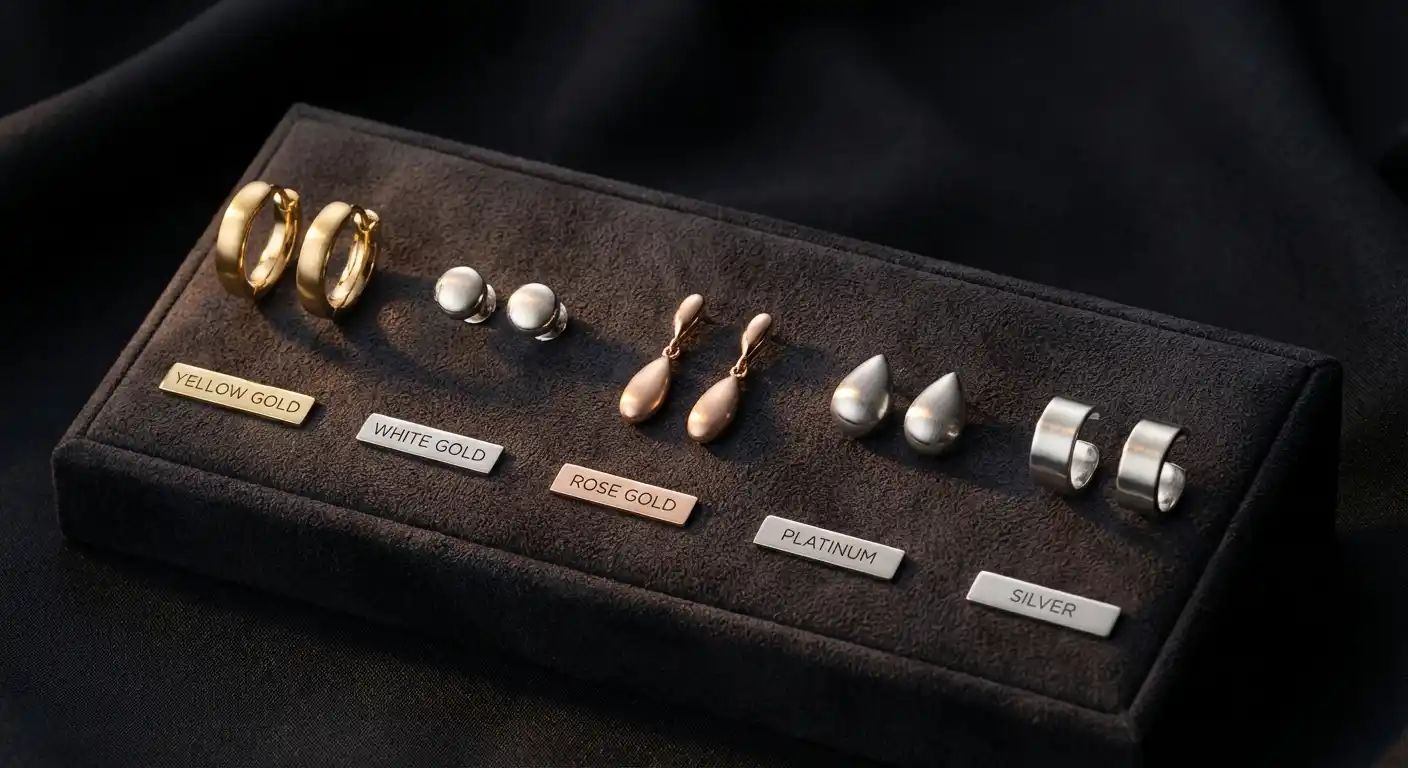
Yellow Gold
- The classic, traditional choice
- Warm, rich appearance
- Complements warm skin tones
- Never needs replating
- Currently trending (2025-2026)
White Gold
- Modern, silvery appearance
- Alloy of gold + white metals (palladium, nickel, silver)
- Rhodium plated for bright white finish
- Requires replating every 1-2 years
- Most popular for contemporary settings
Rose Gold
- Romantic pink-copper hue
- Alloy of gold + copper
- More durable than yellow gold
- Flatters most skin tones
- Distinctive and trendy
Gold Pros
- Traditional, prestigious
- Multiple color options
- Can be resized easily
- Can be repaired
- Retains value (precious metal)
- Widely available
Gold Cons
- White gold requires rhodium replating
- Softer than platinum
- Can scratch and show wear
- Some alloys contain nickel (allergen)
Understanding Platinum
Platinum is the rarest and most prestigious precious metal for jewelry. Its natural white color, superior durability, and hypoallergenic properties make it the premium choice.
Platinum Purity
| Hallmark | Purity | Notes |
|---|---|---|
| 950 Pt | 95% | Industry standard |
| 900 Pt | 90% | Older vintage pieces |
| 850 Pt | 85% | Less common |
Most platinum jewelry is 950, meaning 95% pure platinum alloyed with 5% other platinum group metals (ruthenium, iridium).
Platinum Characteristics
Natural Color
- Bright, cool white
- Never yellows or fades
- No plating needed
- Consistent color throughout
Density
- 60% denser than gold
- Substantial, quality feel
- Noticeably heavier on finger
Durability
- Extremely strong
- Metal displaces rather than wears away
- Prongs hold stones more securely
- Lasts generations
Platinum Pros
- Naturally white—never needs replating
- Superior durability and strength
- Hypoallergenic (ideal for sensitive skin)
- Secures diamonds better (stronger prongs)
- Develops attractive patina
- Premium, prestigious material
- Can be resized and repaired
Platinum Cons
- 40-70% more expensive than gold
- Heavier (some find this uncomfortable)
- Develops patina (matte finish over time)
- Requires specialized jeweler for work
- Fewer design options at lower price points
Detailed Comparison
Durability
Winner: Platinum
Platinum is denser and stronger than gold. When scratched, platinum metal displaces (moves to the side) rather than wearing away. This means platinum rings maintain their mass over decades.
Gold, particularly at higher karats, is softer. Scratches remove small amounts of metal over time. However, 14K gold is still highly durable for daily wear.
For prong security: Platinum holds diamonds more securely. The metal's strength prevents prong wear and stone loss better than gold.
Color and Appearance
Depends on preference
| Metal | Color | Over Time |
|---|---|---|
| Yellow Gold | Warm, rich | Stays consistent |
| White Gold | Bright white | Yellows as rhodium wears |
| Rose Gold | Pink-copper | Stays consistent |
| Platinum | Cool white | Develops matte patina |
Platinum patina: Over time, platinum develops a soft, matte finish from micro-scratches. Many love this aged look; others prefer to polish it to restore shine. Either is easy to maintain.
Maintenance
Winner: Yellow/Rose Gold (lowest maintenance)
| Metal | Required Maintenance |
|---|---|
| Yellow Gold | Occasional polishing |
| Rose Gold | Occasional polishing |
| White Gold | Rhodium replating every 1-2 years ($30-75) |
| Platinum | Polish to remove patina (optional) |
White gold's rhodium plating wears off, revealing the slightly yellow base metal. Replating restores the bright white finish but adds ongoing cost.
Price
Winner: Gold (more affordable)
Platinum costs significantly more due to rarity and density:
| Metal | Approximate Ring Cost (Solitaire Setting) |
|---|---|
| 14K Yellow Gold | $400-800 |
| 14K White Gold | $400-800 |
| 14K Rose Gold | $400-800 |
| Platinum | $700-1,400+ |
The platinum premium varies but typically adds 40-70% to the setting cost.
Weight and Comfort
Depends on preference
Platinum is noticeably heavier—60% denser than gold. Some find this substantial weight reassuring and luxurious. Others prefer gold's lighter feel.
Try before deciding: If possible, try on both metals to feel the weight difference.
Allergies and Sensitivity
Winner: Platinum
Platinum is naturally hypoallergenic—it never causes skin reactions.
Gold allergy considerations:
- White gold often contains nickel (common allergen)
- Yellow gold may contain nickel in some alloys
- Rose gold contains copper (rarely causes reactions)
- High karat gold (18K+) less likely to cause issues
If you have metal sensitivities, platinum is the safest choice.
Resizing and Repairs
Slight winner: Gold (easier to work with)
Both metals can be resized and repaired, but:
- Gold is easier to work with
- More jewelers can work on gold
- Platinum requires specialized equipment
- Platinum repairs may cost slightly more
Making Your Decision
Choose Platinum If:
- You want the ultimate in durability
- You have metal allergies
- You prefer natural white that never needs replating
- The ring will be worn daily for decades
- You appreciate substantial weight
- Budget allows for the premium
Choose White Gold If:
- You want white metal at lower cost
- You don't mind periodic replating
- You prefer lighter weight
- Budget is a primary concern
Choose Yellow Gold If:
- You love traditional, classic aesthetics
- You have warm skin tones
- You want zero maintenance
- Trend-forward (currently popular)
Choose Rose Gold If:
- You want romantic, unique appeal
- You appreciate the warmth
- You want durability (copper strengthens)
- You prefer distinctive style
Metal and Diamond Pairing
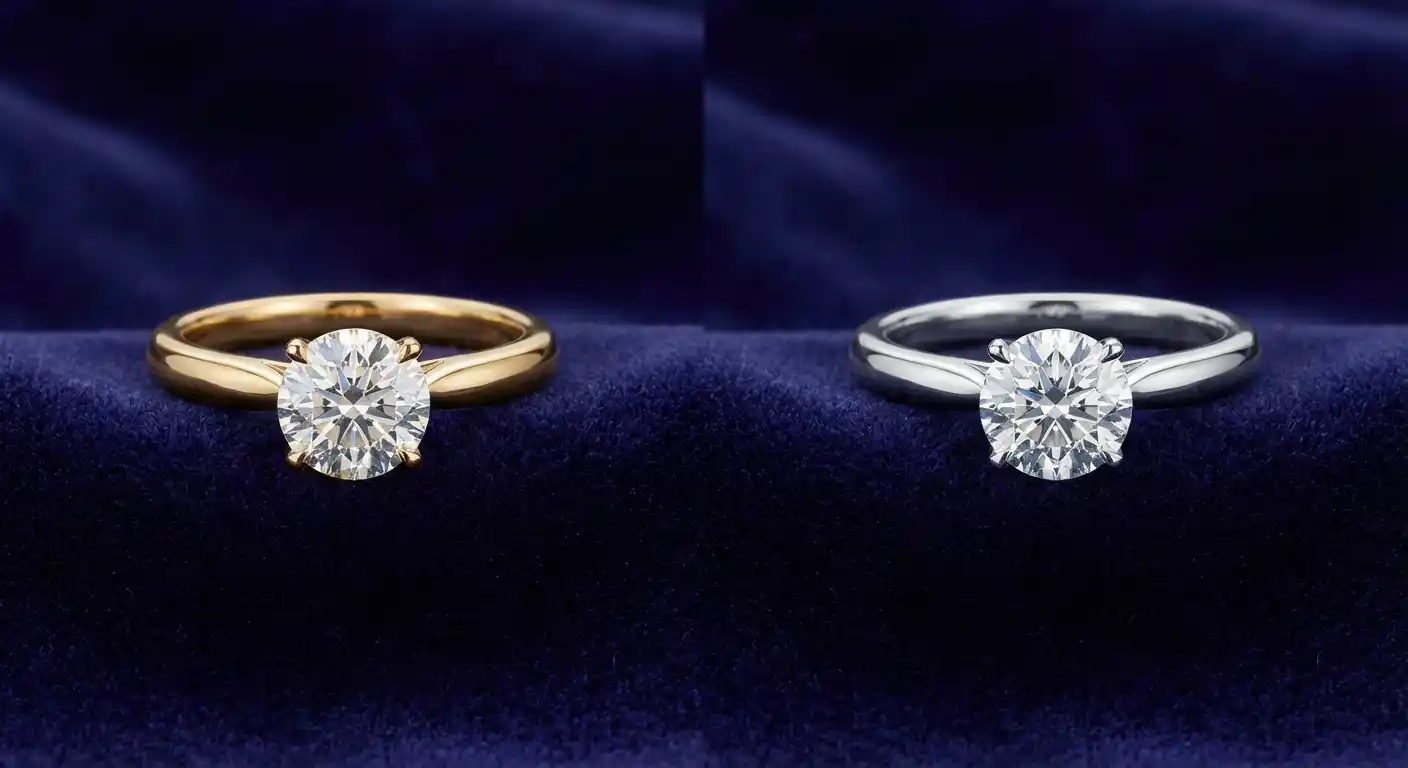
The metal affects how your diamond appears:
| Diamond Quality | Best Metal Pairing |
|---|---|
| D-F color (colorless) | Platinum or white gold |
| G-J color (near colorless) | Any metal |
| K+ color (warm tint) | Yellow or rose gold |
Tip: Yellow and rose gold can make near-colorless diamonds appear slightly warmer, which some find beautiful and others want to avoid.
What About Palladium?
Palladium is a platinum-group metal that offers:
- Natural white color
- Lighter weight than platinum
- More affordable than platinum
- Hypoallergenic properties
- Similar durability
It's an excellent middle-ground between white gold and platinum, though less widely available.
Frequently Asked Questions
Is platinum worth the extra cost?
For many, yes. Platinum's superior durability, hypoallergenic properties, and zero maintenance make it worth the premium for rings worn daily for decades. However, 14K gold is also excellent and serves most people perfectly well.
Does white gold turn yellow?
The base metal is slightly yellow, but it's covered with rhodium plating that provides bright white color. As plating wears (1-2 years typically), the yellowish base may show through. Replating restores the white finish.
Can I mix metals in my ring set?
Absolutely. Many couples mix metals—a platinum engagement ring with gold bands, or vice versa. Mixed metal sets are stylish and personal.
Does platinum scratch more than gold?
Platinum shows surface scratches more visibly but doesn't lose metal mass. Gold scratches may be less visible but actually remove material. Long-term, platinum maintains its substance better.
Which metal holds diamonds more securely?
Platinum. Its superior strength means prongs maintain their grip better over time, reducing the risk of stone loss.
Related Guides
- Complete Engagement Ring Guide
- Engagement Ring Settings Guide
- Best Men's Wedding Bands
- Best Women's Wedding Bands
- Best Engagement Rings Under $1000
About the Author
Alfreda Borror
Alfreda Borror is the founding editor of Opulent Opal, writing research-based buying guides on diamonds, birthstones, and fine jewelry.