How to Clean and Care for Earrings: Complete Maintenance Guide

This post may contain affiliate links. Read our affiliate policy
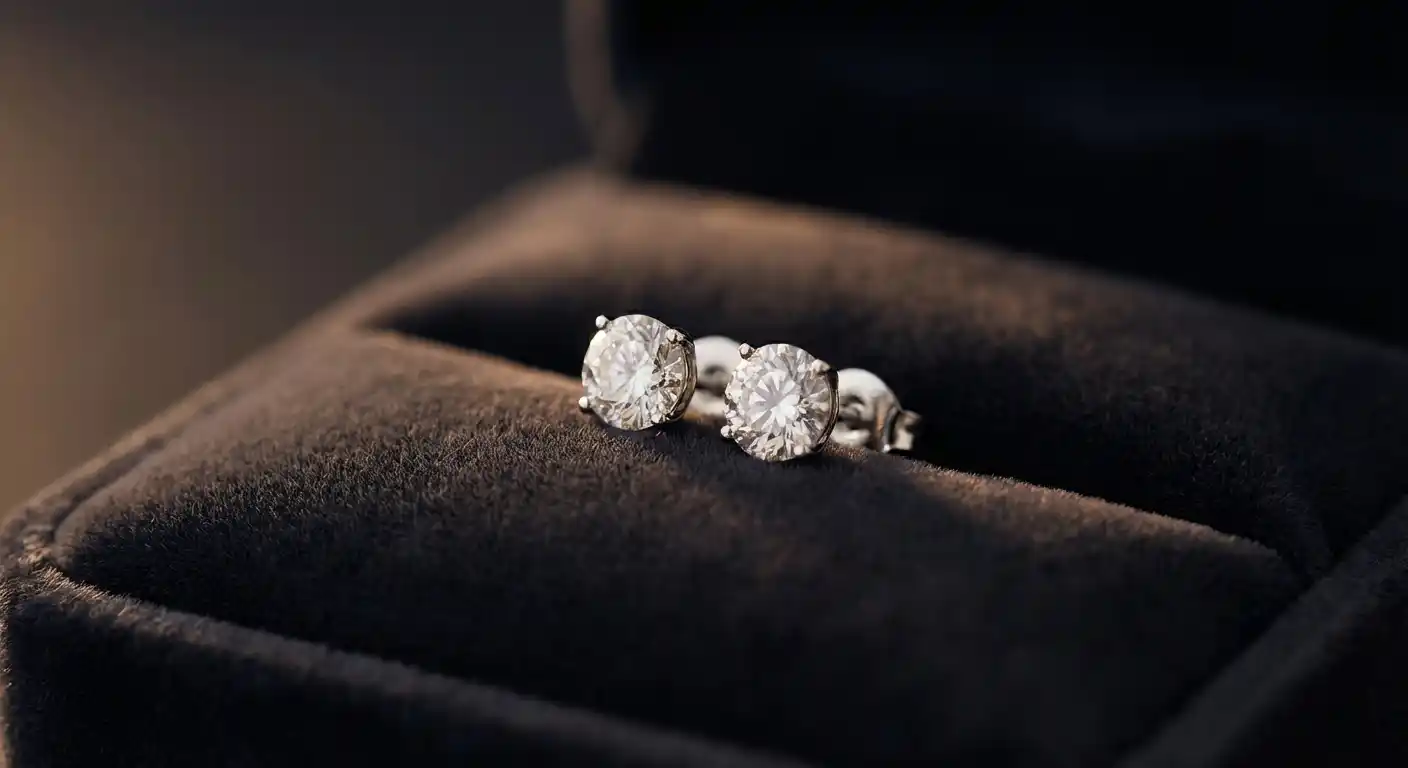
That diamond stud that once caught light from across the room now looks... dull. Your silver hoops have a yellowish tint. And when did your earring posts start feeling grimy?
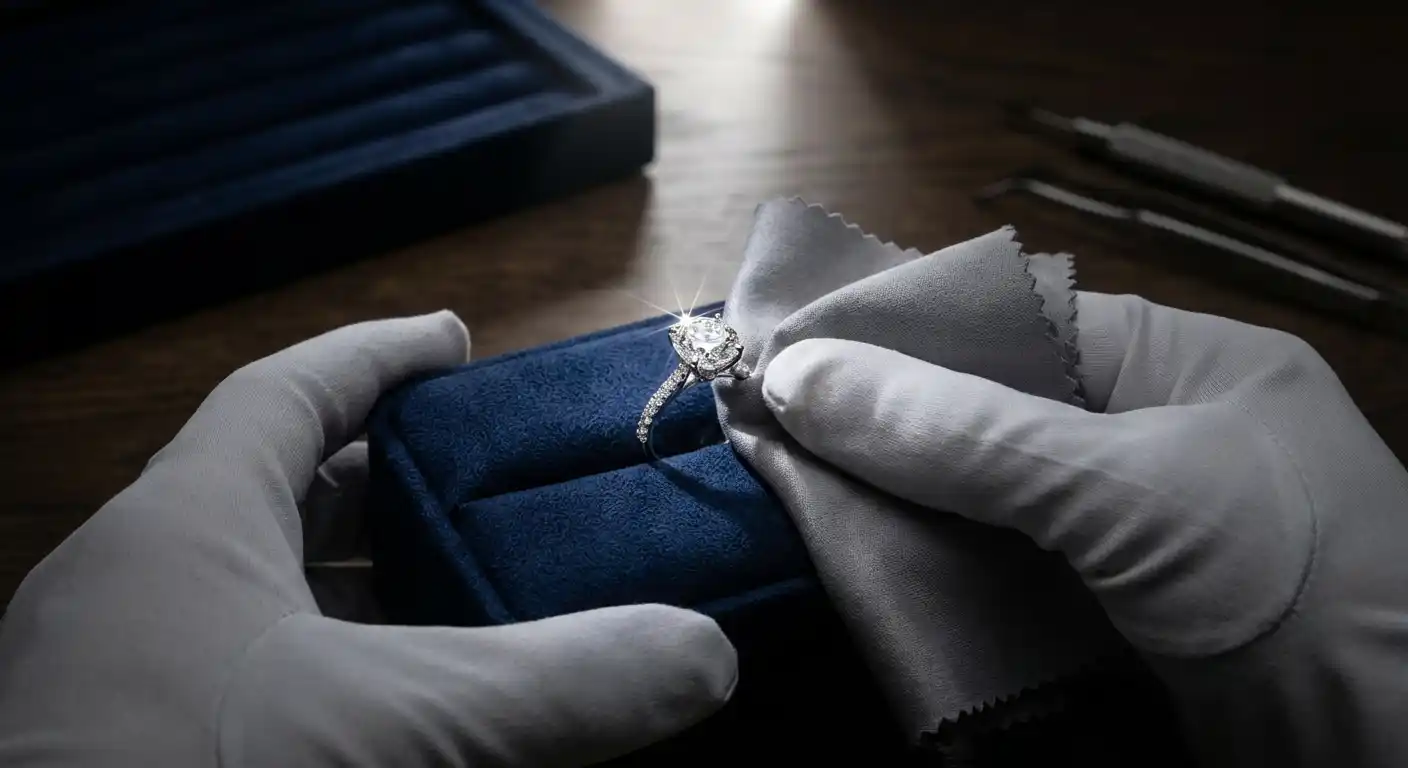
Earring grime accumulates invisibly—until suddenly it doesn't. Regular cleaning keeps diamonds brilliant, prevents silver tarnish, and protects your piercings from the bacteria that builds up on posts. This guide covers daily habits that prevent buildup plus deep cleaning techniques for every type of earring in your collection.
Table of Contents
- Why Earring Care Matters
- Daily Habits for Earring Health
- Cleaning by Metal Type
- Cleaning by Stone Type
- Sanitizing Earring Posts
- Proper Storage
- When to See a Professional
- Common Mistakes to Avoid
- FAQ
Why Earring Care Matters
Taking care of your earrings isn't just about appearance—it's about health, longevity, and protecting your investment.
Health Considerations
Earring posts pass through your body. Without proper cleaning:
- Bacteria accumulate on posts and backings
- Dead skin cells and sebum build up
- Risk of infection increases
- Allergic reactions may worsen
Appearance
Dirty earrings look dull and uninviting:
- Oils and lotions dull metal surfaces
- Diamond brilliance diminishes with residue
- Pearl luster fades without proper care
- Tarnish develops on silver
Longevity
Proper care extends earring life:
- Prevents premature metal degradation
- Protects delicate settings
- Maintains stone security
- Preserves finish and polish
Daily Habits for Earring Health
Small daily practices prevent major cleaning sessions.
When to Put Earrings On
Last on, first off: Put earrings on after:
- Hairspray (residue dulls metals)
- Perfume (alcohol can damage certain stones)
- Makeup (oils and pigments accumulate)
- Lotions and sunscreen (film on surfaces)
This simple habit dramatically reduces buildup.
When to Take Earrings Off
Remove earrings before:
- Showering: Soap scum dulls stones; humidity promotes tarnish
- Swimming: Chlorine and salt water damage metals and stones
- Sleeping: Posts can bend; earlobes need rest
- Exercising: Sweat accelerates tarnish and can harbor bacteria
- Cleaning with chemicals: Household cleaners damage jewelry
Quick Daily Wipe
After wearing, gently wipe earrings with a soft, dry cloth to remove:
- Body oils
- Light dust
- Surface residue
This 10-second habit keeps earrings cleaner between deep cleanings.
Cleaning by Metal Type
Different metals require different approaches.
Gold Earrings (All Colors)
Gold is relatively easy to clean and maintain.
Regular cleaning:
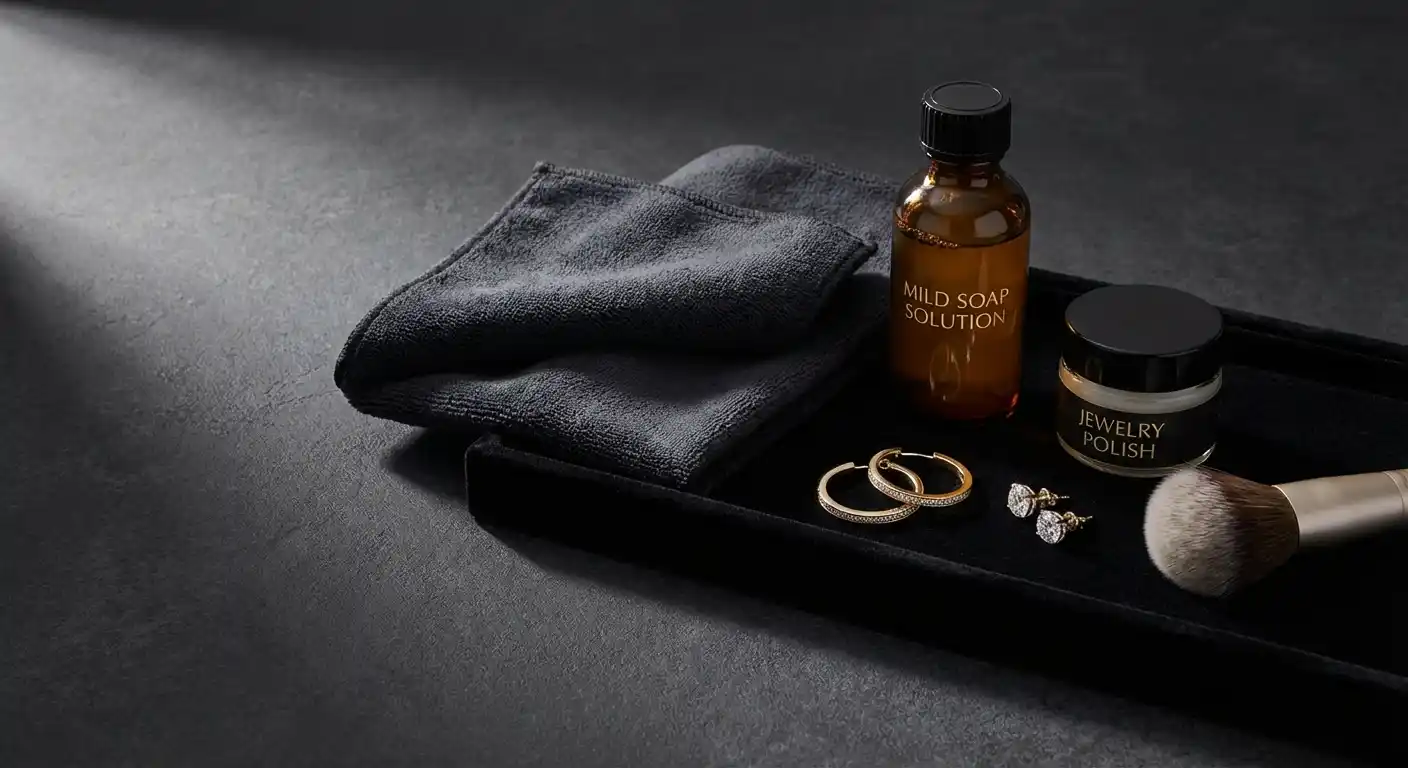
- Mix warm water with a few drops of mild dish soap
- Soak earrings for 15-20 minutes
- Gently scrub with a soft-bristle toothbrush (baby toothbrush works great)
- Rinse thoroughly under warm running water
- Pat dry with a soft, lint-free cloth
- Let air dry completely before storing
For stubborn buildup:
- Add a few drops of ammonia to the soap solution (not for earrings with pearls, opals, or porous stones)
- Use a wooden toothpick to carefully remove debris from settings
White gold note: Cleaning won't restore worn rhodium plating. If your white gold looks yellow, it needs replating, not cleaning. See our rhodium plating guide.
Platinum cleans similarly to gold but is more durable.
Regular cleaning:
- Warm water with mild dish soap
- Soak 15-20 minutes
- Scrub gently with soft brush
- Rinse and dry thoroughly
For platinum's patina: Platinum develops a distinctive patina (soft, matte finish) over time. Some love this; others prefer the original polish. Professional polishing restores original brightness if desired.
Sterling Silver Earrings
Silver requires more attention due to tarnishing.
Light tarnish:
- Polish with a silver polishing cloth
- Work in long, straight strokes (not circles)
- Use a fresh section of cloth as it darkens
Moderate tarnish:
- Mix warm water with mild dish soap
- Add a small amount of white vinegar or baking soda
- Soak briefly (5-10 minutes)
- Scrub gently with soft brush
- Rinse thoroughly and dry immediately
Heavy tarnish (foil method):
- Line a bowl with aluminum foil (shiny side up)
- Place silver earrings on foil
- Sprinkle with baking soda
- Pour boiling water over earrings
- Watch tarnish transfer to foil (science!)
- Rinse and dry thoroughly
Warning: This method may remove intentional oxidation (darkened details).
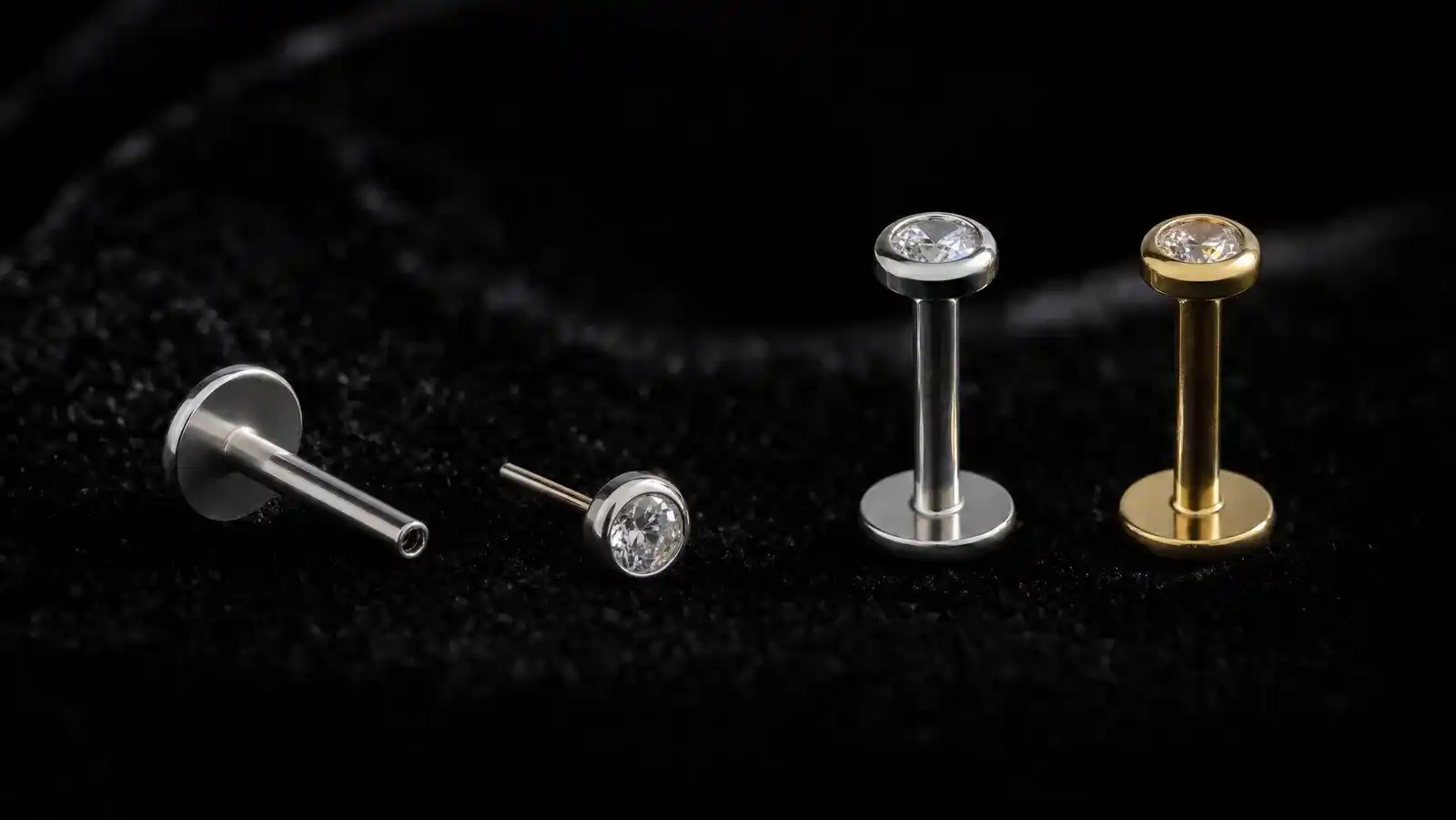
Surgical Steel and Titanium
These metals are easy to maintain.
Regular cleaning:
- Wash with soap and water
- Dry thoroughly
- No special treatments needed
Both metals resist tarnish and corrosion, making them low-maintenance choices.
Cleaning by Stone Type
Different gemstones have different tolerances for cleaning methods.
Diamonds
Diamonds are durable but accumulate oils that dull their sparkle.
Home cleaning:
- Warm water with mild dish soap
- Soak 20-30 minutes
- Brush behind the stone where grime hides
- Rinse and dry
Ammonia boost: For extra sparkle, add a small amount of ammonia to the solution (1 part ammonia to 6 parts water). Not for use with other stones.
Ultrasonic cleaners: Safe for most diamonds in secure settings. Avoid if diamond has significant inclusions or fracture filling.
For comprehensive diamond care, see our guide to cleaning diamonds and gemstones.
Pearls
Pearls require the gentlest care of all jewelry materials.
Never:
- Soak pearls
- Use ultrasonic cleaners
- Apply chemicals or ammonia
- Use abrasive cloths
Proper pearl cleaning:
- Dampen a soft, lint-free cloth with plain water
- Gently wipe each pearl
- Let dry completely before storing
- Occasionally wipe with a slightly damp cloth and mild soap (then water only to remove soap)
Pearl care habits:
- Put on last, take off first
- Wipe after every wear (body oils help luster but excess builds up)
- Store separately (pearls scratch easily)
- Have pearls restrung if on silk thread (not applicable to studs)
For pearl authentication tips, see our how to tell if pearls are real guide.
Colored Gemstones
Hardness determines safe cleaning methods.
Durable stones (sapphires, rubies, spinels):
- Clean like diamonds
- Warm soapy water
- Soft brush
- Ultrasonic generally safe
Moderate hardness (topaz, aquamarine, amethyst):
- Warm soapy water
- Soft brush
- Avoid ultrasonic (can worsen inclusions)
- Avoid temperature extremes
Delicate stones (emeralds, opals, turquoise):
- Cool, damp cloth only
- Never soak or use chemicals
- No ultrasonic
- Avoid heat and direct sunlight
Stone Safety Quick Reference
| Stone | Soap & Water | Ammonia | Ultrasonic | Steam |
|---|---|---|---|---|
| Diamond | Yes | Yes | Usually | Usually |
| Sapphire/Ruby | Yes | Yes | Usually | Usually |
| Pearl | Water only | No | No | No |
| Emerald | Gentle | No | No | No |
| Opal | Water only | No | No | No |
| Amethyst | Yes | No | Caution | No |
| Topaz | Yes | No | Caution | No |
| Turquoise | Damp cloth | No | No | No |
Sanitizing Earring Posts
The post that enters your piercing needs regular sanitization—separate from general cleaning.
Why Sanitize
Earring posts accumulate:
- Bacteria from hands and environment
- Dead skin cells from the piercing
- Sebum and oils
- Product residue
This buildup can cause irritation even with high-quality metals.
How to Sanitize
Rubbing alcohol method:
- Remove earrings
- Dip a cotton ball or pad in 70% isopropyl alcohol
- Wipe entire post and backing
- Allow to air dry completely
- Clean the piercing hole with a fresh alcohol pad
- Wait for skin and earring to dry before reinserting
Frequency: Sanitize posts weekly for earrings worn daily; before wearing earrings that have been stored.
Sanitizing Solutions
Safe options:
- 70% isopropyl alcohol
- Saline solution (for fresh piercings)
- Hydrogen peroxide (occasional use)
Avoid:
- Household cleaners
- Chlorine-based products
- Antibacterial soaps with harsh chemicals
Proper Storage
How you store earrings affects their condition between wears.
General Storage Principles
Separate pieces: Store earrings individually or in pairs to prevent:
- Scratching (especially soft metals and pearls)
- Tangling (for drop earrings)
- Stone chipping
Climate control:
- Avoid humidity (accelerates tarnish)
- Avoid extreme temperatures
- Keep away from direct sunlight (fades some stones)
Storage Solutions
Jewelry boxes:
- Choose lined compartments
- Look for individual slots or cushioned slots
- Anti-tarnish lining is ideal for silver
Earring stands/trees:
- Great for frequently worn pieces
- Keep dust-free with regular cleaning
- Good visibility for daily selection
Travel cases:
- Padded compartments
- Secure closures
- Compact enough for carry-on
DIY storage:
- Pill organizers work for studs
- Ice cube trays with fabric lining
- Egg cartons (for temporary sorting)
Silver-Specific Storage
Silver tarnishes faster when exposed to air and humidity.
Anti-tarnish strategies:
- Anti-tarnish strips in storage
- Anti-tarnish cloth pouches
- Silica gel packets (absorb moisture)
- Store in airtight bags when not worn frequently
Pearl Storage
Pearls need special consideration:
- Store in soft fabric, not plastic (pearls need some air)
- Keep away from harder jewelry
- Lay flat or hang to prevent stress on settings
When to See a Professional
Some cleaning and maintenance is best left to experts.
Schedule Professional Cleaning For
Annual or bi-annual:
- Fine jewelry worn frequently
- Diamond studs (professionals clean behind settings)
- Complex designs with many stones
As needed:
- Significant tarnish that home methods don't resolve
- Before major events (weddings, photographs)
- After illness (extra sanitization)
Professional Services
Cleaning:
- Ultrasonic cleaning (more powerful than home units)
- Steam cleaning
- Professional polishing
Inspection:
- Prong check (ensure stones are secure)
- Setting inspection
- Clasp and back mechanism check
Repairs:
- Rhodium replating (white gold)
- Prong retipping
- Post replacement
- Stone tightening
Finding a Good Jeweler
Look for:
- Established business with reviews
- Certified gemologists on staff
- Clear pricing for services
- Warranty or guarantee on work
Common Mistakes to Avoid
Cleaning Mistakes
Using toothpaste: Despite the internet myth, toothpaste is abrasive and can scratch metals and softer stones.
Boiling jewelry: Extreme heat can damage settings, thermal shock some stones, and warp metals.
Bleach or chlorine: Damages gold alloys and can pit precious metals.
One-size-fits-all approach: Using the same method for all jewelry regardless of material.
Over-cleaning: Too frequent or too aggressive cleaning wears metals and settings.
Storage Mistakes
Storing all jewelry together: Causes scratching and tangling.
Bathroom storage: Humidity damages metals and pearls.
Direct sunlight: Fades certain stones (amethyst, citrine, topaz, opal).
Leaving earrings in for weeks: Piercings need to breathe; posts accumulate bacteria.
Wearing Mistakes
Sleeping in earrings: Bends posts, irritates ears, traps bacteria.
Swimming with jewelry: Chlorine and salt water damage.
Applying products while wearing: Buildup accelerates.
Ignoring irritation: Continued wear with reactions worsens sensitivity.
Frequently Asked Questions
How often should I clean my earrings?
- Daily wear earrings: Full cleaning every 2-4 weeks
- Occasional wear: Clean before wearing and before storing
- Posts/sanitization: Weekly for daily-wear earrings
Can I use jewelry cleaner on all earrings?
No. Commercial jewelry cleaners vary widely. Check that any cleaner is safe for:
- Your specific metal
- Any stones in your earrings
- Costume vs. fine jewelry
When in doubt, stick with mild dish soap and water.
Why do my clean earrings still look dull?
Possible reasons:
- Worn rhodium plating (white gold)
- Micro-scratches accumulated over time (need polishing)
- Film from hard water (use distilled water for final rinse)
- Stone issues (may need professional inspection)
How do I clean earrings with glued stones?
Never soak earrings with glued elements. Instead:
- Dampen a soft cloth (not wet)
- Wipe carefully, avoiding water near glue joints
- Dry immediately
- Consider professional cleaning for valuable pieces
Can I clean gold-plated earrings the same as solid gold?
No. Gold plating is a thin layer that can wear away:
- Use only damp soft cloth
- Never soak or scrub
- Avoid chemicals
- Dry immediately
- Accept that plating wears over time
My ears get infected even with clean earrings—why?
Possible causes:
- Developing metal sensitivity (switch to hypoallergenic)
- Not sanitizing posts (focus on post cleaning, not just visible earring)
- Piercing needs to breathe (remove earrings overnight)
- Actual infection (consult a healthcare provider)
See our hypoallergenic earrings guide for metal sensitivity solutions.
Keep Your Collection Sparkling
Regular care preserves both the beauty and value of your earrings. Establish simple habits—wiping after wear, proper storage, periodic deep cleaning—and your jewelry will maintain its sparkle for years to come. For your finest pieces, complement home care with annual professional cleanings to ensure settings remain secure and metals stay pristine.
Continue exploring:
- Complete Earring Guide
- Earring Metals Explained
- Hypoallergenic Earrings Guide
- How to Clean Diamonds, Gemstones & Pearls
About the Author
Alfreda Borror
Alfreda Borror is the founding editor of Opulent Opal, writing research-based buying guides on diamonds, birthstones, and fine jewelry.