Best Earrings for Sensitive Ears: Hypoallergenic Metals Guide

This post may contain affiliate links. Read our affiliate policy
You find the perfect earrings, wear them to dinner, and wake up the next morning with ears that itch, swell, and weep. Sound familiar? You're not alone—metal allergies affect an estimated 10-15% of the population, and nickel is almost always the culprit.
The good news: sensitive ears don't mean giving up earrings. The right metals make all the difference. This guide helps you identify what's triggering your reactions and find beautiful alternatives that won't leave you reaching for the hydrocortisone.
Table of Contents
- Understanding Earring Allergies
- Nickel: The Primary Culprit
- Hypoallergenic Metal Rankings
- Safe Precious Metals
- Alternative Metals
- Coatings and Barriers
- Shopping Tips
- Healing Irritated Ears
- FAQ
Understanding Earring Allergies
What we call an "earring allergy" is typically allergic contact dermatitis—an immune system response to certain metals. It's not dangerous, but it's certainly uncomfortable.
Symptoms of Metal Allergies
Reactions typically occur where metal contacts skin and may include:
- Itching: Often the first sign, starting within hours of wearing earrings
- Redness: Skin around the piercing becomes pink or red
- Swelling: Earlobes may puff up around the piercing
- Dry, scaly skin: Prolonged exposure causes peeling
- Blistering: In severe cases, small fluid-filled bumps form
- Discharge: Clear or yellowish fluid weeping from the piercing
- Crusting: Dried discharge forming around the earring post
Why Reactions Develop
Metal allergies can develop at any age, even if you've worn certain metals for years without problems. Once sensitized, your immune system "remembers" the offending metal and reacts every time you encounter it.
Risk factors for developing metal allergies:
- Prolonged contact with low-quality jewelry
- New piercings healing with allergenic metals
- Genetic predisposition
- Broken skin barrier (scratches, fresh piercings)
- Sweat and moisture increasing metal leaching
Infection vs. Allergy
It's important to distinguish between metal allergy and infection:
| Symptom | Allergy | Infection |
|---|---|---|
| Onset | Hours to days after wearing | Gradual, with worsening |
| Location | Where metal touches | May spread beyond contact |
| Discharge | Clear or thin | Thick, yellow/green, odor |
| Fever | No | Possible |
| Resolution | Improves when earring removed | Requires treatment |
If you suspect infection, consult a healthcare provider.
Nickel: The Primary Culprit
Nickel allergy is the most common cause of allergic contact dermatitis worldwide, affecting approximately 8-19% of women and 1-3% of men. The higher rate in women is attributed to more frequent jewelry exposure.
Where Nickel Hides
Nickel appears in surprising places:
Jewelry with nickel:
- Most costume/fashion jewelry
- White gold (often alloyed with nickel)
- Some sterling silver alloys
- Stainless steel (certain grades)
- Gold-plated or silver-plated bases
- Clasps and earring backs
Common nickel content:
- Costume jewelry posts: Often high nickel content
- White gold: 5-15% nickel in some alloys
- Sterling silver: May contain trace amounts
- German silver/nickel silver: Actually 10-30% nickel (misleading name)
Testing for Nickel
If you're unsure whether a piece contains nickel:
DIY nickel test kits: Available online and at pharmacies, these use dimethylglyoxime to detect nickel. A pink/red reaction indicates nickel presence.
Professional testing: Dermatologists can perform patch testing to confirm nickel allergy and identify other metal sensitivities.
EU Nickel Regulations
The European Union limits nickel release from jewelry that directly contacts skin for prolonged periods. If you're shopping internationally, EU-compliant jewelry tends to have lower nickel content. The US has no such federal regulation.
Hypoallergenic Metal Rankings
Not all metals are created equal when it comes to sensitive ears. Here's how common jewelry metals rank for biocompatibility:
Most Hypoallergenic (Safest)
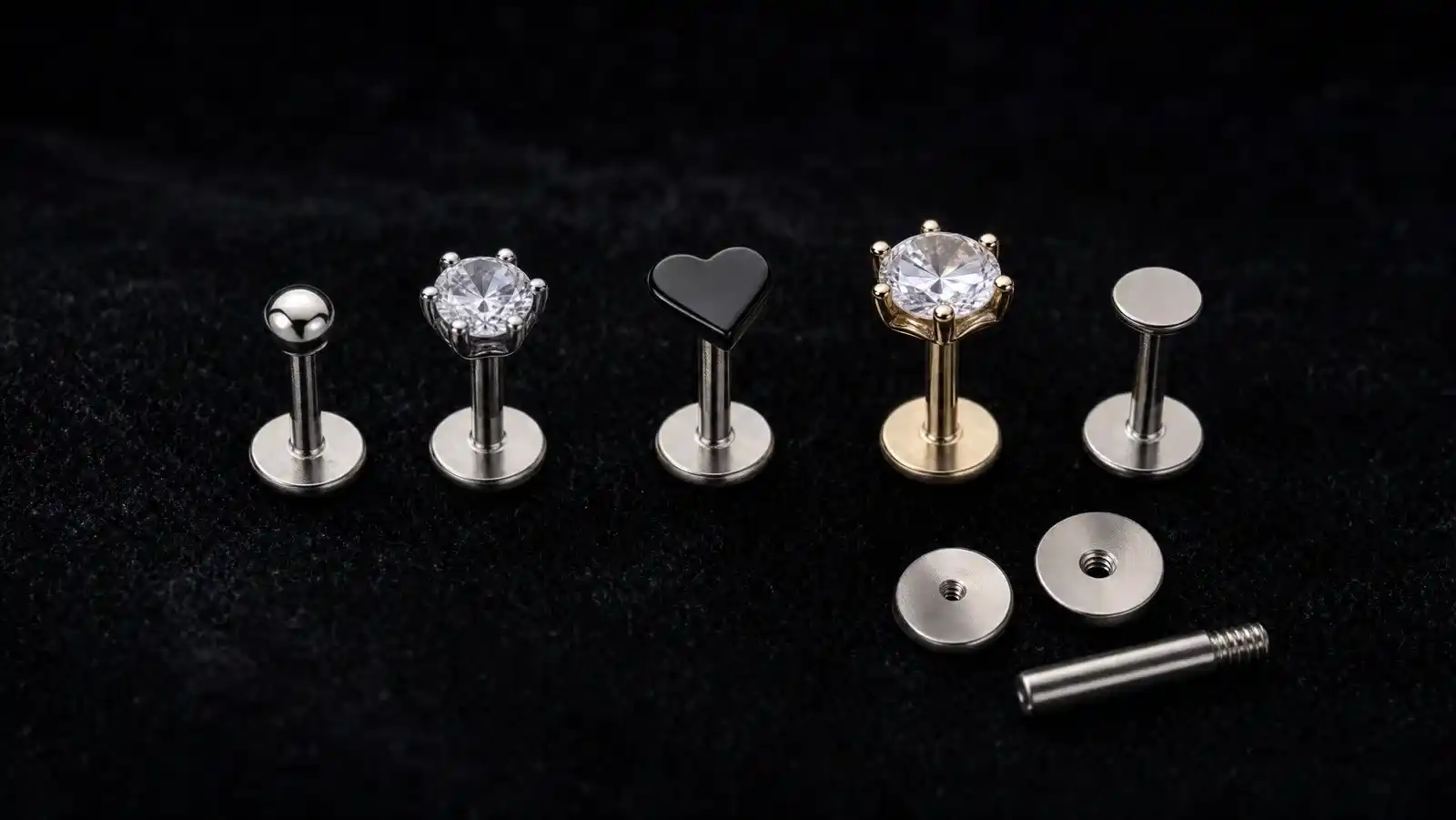
- Niobium: Virtually allergen-free; used in medical implants
- Titanium (implant-grade): Biocompatible; rarely causes reactions
- Platinum: Pure and non-reactive; naturally white
- 24K Gold: Pure gold; too soft for earring posts alone
- Surgical-grade stainless steel (ASTM F138): Medical implant grade
Generally Safe
- 18K Gold (nickel-free alloy): Higher purity; less alloy content
- 14K Gold (nickel-free alloy): Durable; request nickel-free
- Argentium Silver: Tarnish-resistant; germanium replaces some copper
- Palladium: White metal; rarely allergenic
Use with Caution
- Sterling Silver: May contain trace nickel; tarnishes
- Standard stainless steel: Grades vary; some contain nickel
- 10K Gold: More alloy content; higher risk
- White gold (nickel alloy): Often contains nickel
- Gold-filled: Depends on base metal and wear
Avoid If Sensitive
- Brass: Contains copper, may contain nickel
- Nickel silver/German silver: High nickel content despite name
- Costume jewelry: Often high nickel
- Mystery metals: Unspecified materials
Safe Precious Metals
For those who can invest in fine jewelry, certain precious metals offer both beauty and biocompatibility.
Platinum
Platinum is the gold standard (so to speak) for sensitive ears in precious metals.
Why platinum is safe:
- 95% pure in most jewelry (950 platinum)
- Naturally white—no plating needed
- Doesn't corrode or react with skin
- Extremely durable
Considerations:
- Highest price point
- Heavy (may not suit all earring styles)
- Limited availability in some designs
Gold
Gold itself is hypoallergenic, but gold jewelry is alloyed with other metals for strength. The key is choosing the right alloy.
24K Gold (100% gold):
- Pure and non-reactive
- Too soft for earring posts
- Sometimes used for post coatings
18K Gold (75% gold):
- Higher purity = less alloy
- Request nickel-free alloys
- Yellow gold typically safest (copper/silver alloys)
- Rose gold usually safe (copper alloy)
- White gold: VERIFY it's nickel-free (should use palladium instead)
14K Gold (58.5% gold):
- More durable than 18K
- More alloy content = higher risk
- Always request nickel-free
- Yellow and rose usually safe
- White gold: Extra caution needed
Gold shopping tips:
- Ask specifically: "Is this nickel-free?"
- Request alloy composition in writing
- Yellow/rose gold typically safer than white
- Higher karat = safer but softer
Palladium
A platinum-group metal increasingly used in jewelry.
Benefits:
- Naturally white
- Lighter weight than platinum
- Hypoallergenic
- Doesn't require rhodium plating
Considerations:
- Less common than platinum
- Mid-range precious metal pricing
- Harder to find in earring designs
Alternative Metals
For budget-friendly hypoallergenic options, several non-precious metals offer excellent biocompatibility.
Titanium
One of the safest metals for sensitive ears and a top choice for body jewelry.
Why titanium excels:
- Extremely biocompatible
- Used in medical implants and surgical equipment
- Lightweight (40% lighter than steel)
- Strong and durable
- Doesn't corrode
- Can be anodized to various colors
Grades matter:
- Implant-grade (ASTM F136): Highest purity, best for sensitive ears
- Commercially pure (CP): Also excellent
- Aerospace grade: Generally safe but not specifically for body contact
Titanium downsides:
- Gray color (unless anodized)
- More limited design options
- Can't be resized or soldered easily
Niobium
The holy grail for extremely sensitive individuals.
Why niobium is special:
- Closest to pure biocompatibility
- Used in pacemakers and other implants
- Never causes reactions
- Can be anodized to vibrant colors (purple, blue, green)
- Slightly softer than titanium (easier to work)
Niobium considerations:
- More expensive than titanium
- Very limited commercial availability
- Often requires custom or specialty jewelers
- Gray when not anodized
Surgical Stainless Steel
A good option when you choose the right grade.
Safe grades:
- ASTM F138 (surgical implant grade): Specifically designed for body contact
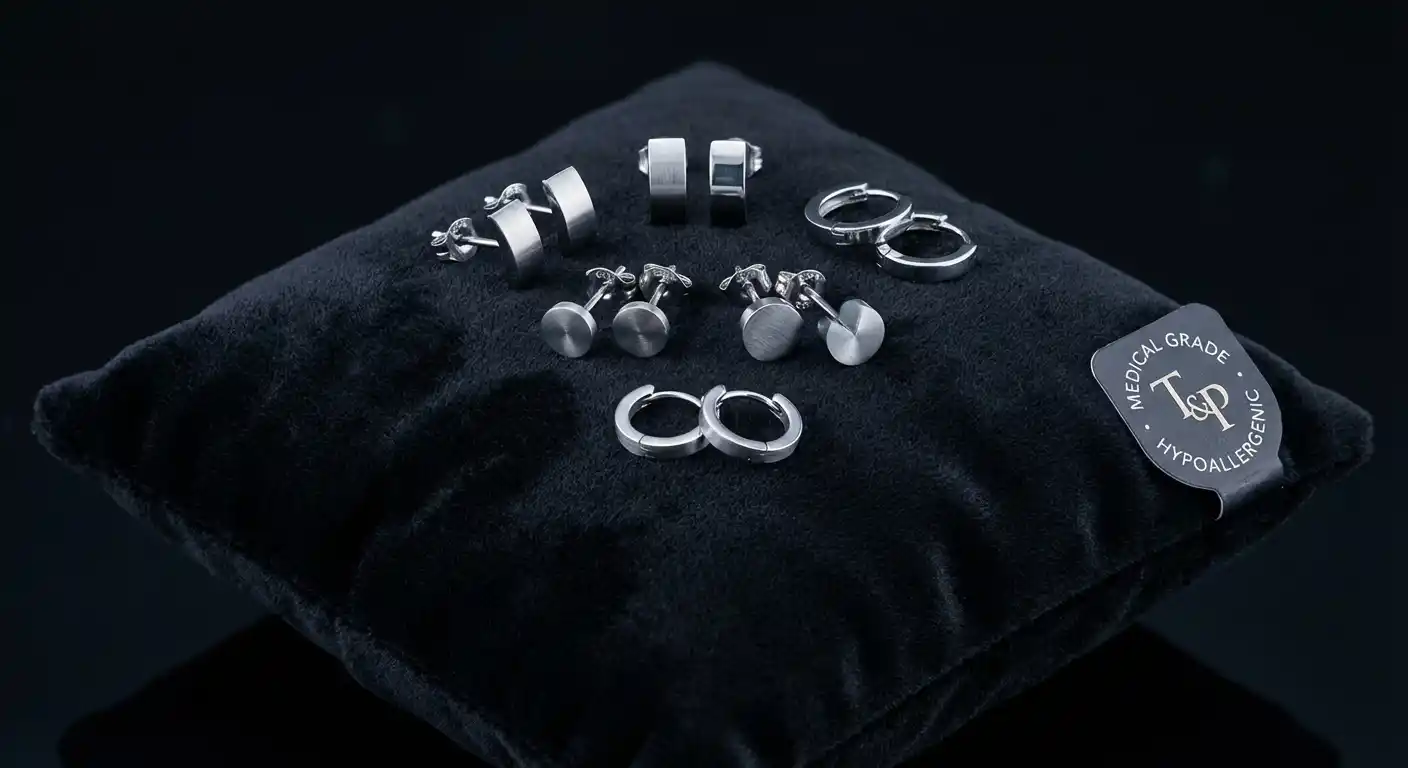
- 316L: Generally safe; low nickel release
- 316LVM: Vacuum-melted for extra purity
Why grade matters: Stainless steel does contain nickel, but in surgical grades, the nickel is bound within the alloy and doesn't leach significantly. Lower-quality stainless steel can release nickel and cause reactions.
Tips for stainless steel:
- Ask for specific grade
- Buy from reputable body jewelry suppliers
- Avoid unbranded or very cheap options
- If reactions occur despite "surgical steel," try titanium
Coatings and Barriers
Sometimes you love earrings that aren't hypoallergenic. Coatings can create a barrier between reactive metal and your skin.
Clear Nail Polish
The classic DIY solution—but not ideal.
Pros: Cheap, readily available Cons: Wears off quickly, requires frequent reapplication, may contain irritants
If using nail polish:
- Apply multiple thin coats
- Let dry completely
- Reapply every few wearings
- Never use on posts that sit in healing piercings
Jewelry Shield/Barrier Products
Purpose-made protective coatings.
Products available:
- Jewelry Shield (brush-on polymer coating)
- Metal Protect (spray barrier)
- Skin Guard (roll-on protection)
How they work: Create a clear barrier between metal and skin that lasts longer than nail polish but still requires reapplication.
Best for: Occasional wear of non-hypoallergenic earrings you already own
Plastic or Silicone Earring Sleeves
Tiny tubes that slide over earring posts.
Pros: Create complete barrier, reusable Cons: May not fit all post sizes, can affect fit through piercing
Rhodium Plating
White gold is typically rhodium-plated for brightness. This plating can also act as a barrier.
Considerations:
- Plating wears off over time
- Requires replating every 1-2 years
- Once worn through, nickel underneath contacts skin
- Not a permanent solution
Shopping Tips
Finding truly hypoallergenic earrings requires vigilance.
Questions to Ask
Before purchasing, ask:
- "What metal is this made from?"
- "Is this nickel-free?"
- "What's the purity/grade?" (for titanium and stainless steel)
- "What alloys are used?" (for gold)
- "Can you provide this in writing?"
Where to Shop
Best sources for hypoallergenic earrings:
- Body jewelry specialists (often carry implant-grade metals)
- Fine jewelers (for platinum and high-karat gold)
- Medical/sensitive ear specialty retailers
- Custom jewelers (can specify materials)
Use caution with:
- Fast fashion retailers
- Department store costume jewelry
- Online marketplaces without material verification
- Any piece labeled only "hypoallergenic" without specifics
Red Flags
Be wary of:
- "Hypoallergenic" with no specific metal listed
- "Surgical steel" without grade specification
- Extremely low prices for precious metals
- Vague material descriptions ("metal alloy," "base metal")
- Claims that seem too good to be true
Online Shopping
When buying online:
- Look for detailed material specifications
- Check return policies (test before committing)
- Read reviews from sensitive-eared buyers
- Buy from established jewelry sellers
- Email questions before purchasing
Healing Irritated Ears
If your ears are currently reacting, here's how to help them heal.
Immediate Steps
-
Remove the offending earrings: The reaction will continue as long as metal contacts skin
-
Clean the piercing: Gently wash with mild soap and water or saline solution
-
Avoid touching: Hands transfer bacteria
-
Apply cold compress: Reduces swelling
Treatment Options
For mild reactions:
- Over-the-counter hydrocortisone cream (1%)
- Antihistamine cream (diphenhydramine)
- Keep area clean and dry
- Usually resolves in a few days
For persistent reactions:
- See a dermatologist
- May need prescription-strength cortisone
- Rule out infection
Keeping Piercings Open
Concerned about piercings closing while healing?
Options:
- Wear known-safe earrings (titanium, niobium, platinum)
- Use glass retainers or bioplast (inert plastic)
- Go earring-free and accept potential closure
- Get piercings redone once healed (with proper metals)
Prevention Going Forward
Once healed:
- Only wear verified hypoallergenic metals
- Clean earrings before each wear
- Remove earrings overnight to let ears breathe
- Limit wear time initially to test new materials
- Keep spare hypoallergenic earrings handy
Frequently Asked Questions
Can I develop a nickel allergy later in life?
Yes. Metal allergies can develop at any age, even after years of wearing the same jewelry without issue. Once sensitized, you'll react upon each subsequent exposure.
Are "hypoallergenic" earrings always safe?
No. "Hypoallergenic" is a marketing term with no legal definition or standard. It suggests lower allergen potential but doesn't guarantee safety. Always check the specific metal composition.
Can I wear white gold if I'm allergic to nickel?
Possibly. Traditional white gold uses nickel in the alloy, but nickel-free white gold (made with palladium) exists. Always ask specifically whether the white gold is nickel-free before purchasing.
Is sterling silver hypoallergenic?
Sterling silver (92.5% silver, 7.5% other metals) is generally well-tolerated but isn't truly hypoallergenic. Some sterling silver contains trace nickel, and the copper content can occasionally cause reactions. For guaranteed safety, choose purer metals.
Why do my ears react to expensive gold earrings?
Several possibilities:
- The gold is alloyed with nickel
- Ear backs may be different metal
- Post may be different metal than decorative portion
- Lower karat than claimed (quality issue)
How long do metal allergy reactions last?
With removal of the offending metal:
- Mild reactions: 2-4 days
- Moderate reactions: 1-2 weeks
- Severe reactions: May need treatment, weeks to fully resolve
Can I build up tolerance to nickel?
Unfortunately, no. Once you've developed a nickel allergy, it's typically permanent. Continued exposure worsens rather than improves tolerance.
What about earring backs?
Backs often differ from the earring itself. Many "14K gold" earrings have base metal backs that cause reactions. Ask for matching-metal backs or replace with known-safe options.
Live Comfortably in Earrings
Metal sensitivity doesn't mean giving up on earrings. With the right materials—titanium, platinum, niobium, or verified nickel-free gold—you can wear beautiful earrings without discomfort. Invest in quality pieces made from truly hypoallergenic metals, and your ears will thank you.
Explore our earring guides:
- Complete Earring Guide
- Earring Metals Explained
- Earring Care and Cleaning
- Best Diamond Stud Earrings
- Best Pearl Earrings
About the Author
Alfreda Borror
Alfreda Borror is the founding editor of Opulent Opal, writing research-based buying guides on diamonds, birthstones, and fine jewelry.