Best Diamond Stud Earrings 2026: Top Picks for Every Budget

This post may contain affiliate links. Read our affiliate policy
Diamond stud earrings outlast trends, dress codes, and decades. They're the one piece of jewelry you can wear to every meeting, every wedding, every Tuesday morning—and look perfectly appropriate. That's why they're worth getting right.
The challenge? Prices range from $100 to $100,000. Natural diamonds compete with lab-grown alternatives that cost 80-90% less. Cut grades, carat weights, and clarity designations create a maze of specifications. This guide cuts through the noise: what actually matters, what to prioritize at each budget, and where to find the best diamond studs without overpaying.
Table of Contents
- What Makes Great Diamond Studs
- Natural vs Lab-Grown: The 2026 Landscape
- Quality Guide: What to Prioritize
- Best Picks by Budget
- Setting Styles
- Shopping Tips
- Care and Maintenance
- FAQ
What Makes Great Diamond Studs
Not all diamond studs are created equal. The best pairs share these characteristics:
Excellent Cut Quality
Cut is the single most important factor for diamond brilliance. A well-cut diamond returns light beautifully, creating the sparkle that makes diamond studs worth wearing. Poor cuts look dull regardless of size or clarity.
Priority: Always choose Excellent or Ideal cut grades. This is non-negotiable.
Appropriate Size
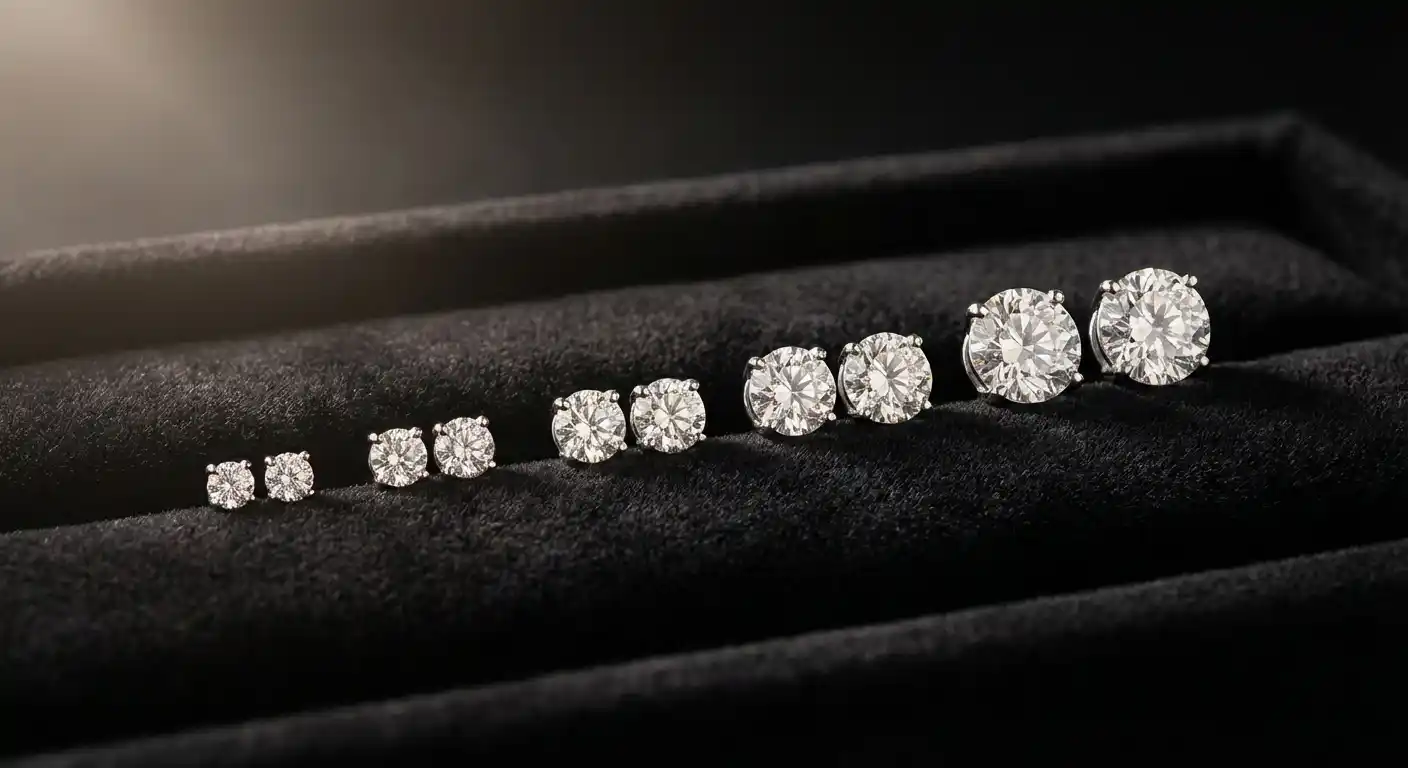
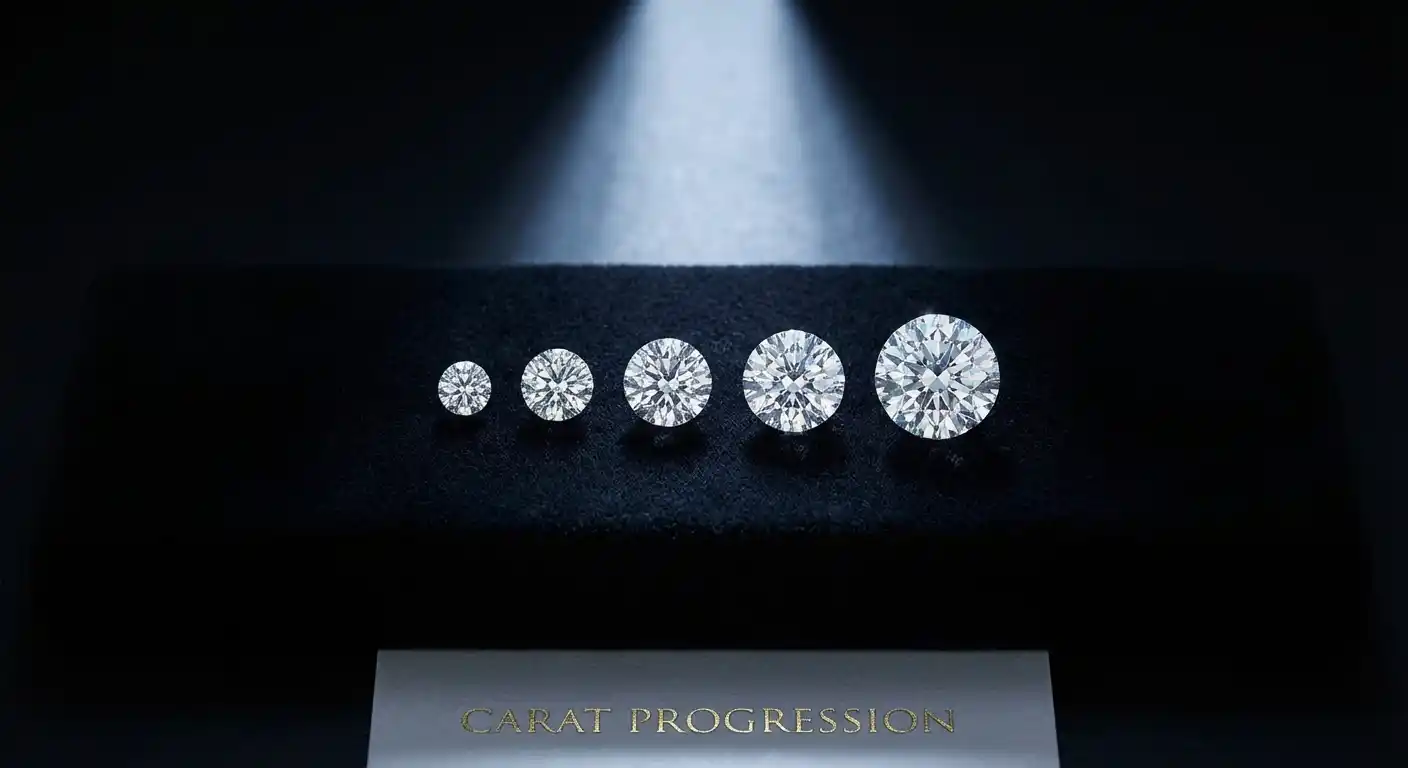
Size (measured in total carat weight/tcw) should match your lifestyle, features, and preferences:
- 0.25-0.50 tcw: Subtle elegance, everyday appropriate
- 0.50-1.00 tcw: Classic, noticeable, most popular range
- 1.00-2.00 tcw: Substantial presence, special occasions
- 2.00+ tcw: Dramatic statement, red carpet territory
For detailed sizing guidance, see our diamond stud size guide.
Secure Settings
Quality studs feature secure settings that protect your investment:
- Properly executed prong work
- Substantial post construction
- Reliable backings (La Pousette, screw-back, or quality friction backs)
Quality Materials
- Posts and settings in solid 14K+ gold or platinum
- Consistent metal quality throughout (watch for base metal posts)
- Hypoallergenic options for sensitive ears
Natural vs Lab-Grown: The 2026 Landscape
The diamond market has fundamentally shifted. Understanding your options helps you make the right choice.
The Price Gap
Lab-grown diamonds cost 80-90% less than comparable natural diamonds in 2026:
| Budget | Natural Diamond | Lab-Grown Diamond |
|---|---|---|
| $500 | ~0.30 tcw | ~1.00 tcw |
| $1,000 | ~0.50-0.60 tcw | ~1.50-2.00 tcw |
| $2,500 | ~1.00 tcw | ~3.00+ tcw |
| $5,000 | ~1.50-2.00 tcw | ~4.00+ tcw |
Quality Comparison
Lab-grown diamonds are chemically, optically, and physically identical to natural diamonds. The same grading standards (4 Cs) apply to both. A 1-carat lab-grown diamond sparkles exactly like a 1-carat natural diamond of the same cut, color, and clarity.
When to Choose Natural
- You value rarity and natural origin
- Resale or heirloom value matters
- You prefer traditional diamond provenance
- You're making a symbolic investment
When to Choose Lab-Grown
- Size is a priority
- Budget constraints exist
- Environmental considerations matter
- You want maximum visual impact per dollar
For an in-depth comparison, see our lab-grown vs natural diamonds guide.
Quality Guide: What to Prioritize
When budget forces trade-offs, prioritize in this order:
1. Cut (Most Important)
Never compromise on cut. An Excellent or Ideal cut diamond will outperform a larger, poorly cut diamond every time.
What to look for:
- GIA Excellent or AGS Ideal cut grades
- For fancy shapes: "Excellent" polish and symmetry
2. Carat Weight
Once you've secured excellent cut, determine the size that meets your goals. Consider:
- How you'll wear them (daily vs. occasional)
- Your facial proportions
- Budget remaining after ensuring quality
3. Color
For studs worn close to the face, color visibility increases. Recommendations:
- D-F (Colorless): Premium; worth it if budget allows
- G-H (Near Colorless): Best value; appears white to most observers
- I-J: Budget-friendly; slight warmth that's often undetectable
White metal settings (platinum, white gold) show color differences more than yellow gold.
4. Clarity
Because diamond studs are small and worn at a distance from viewers, clarity matters less than in engagement rings.
- VVS1-VVS2: Premium; flawless appearance
- VS1-VS2: Best value; eye-clean always
- SI1: Budget-friendly; usually eye-clean
- SI2: May have visible inclusions; inspect individually
Pro tip: "Eye-clean" SI1 diamonds in studs represent excellent value.
For detailed clarity information, see our diamond clarity guide.
Best Picks by Budget
Budget: Under $500
At this price point, lab-grown diamonds deliver the best value for noticeable studs.
What you can get:
- Lab-grown: 0.75-1.00 tcw, good quality
- Natural: 0.25-0.30 tcw, limited quality options
What to look for:
- Prioritize cut above all
- G-H color, SI1 clarity acceptable
- 14K gold settings
- Reputable lab-grown retailers
Best approach: Lab-grown diamonds in this range offer visible, quality studs that look identical to natural diamonds costing 3-4x more.
Budget: $500-1,000
The sweet spot for quality everyday diamond studs.
What you can get:
- Lab-grown: 1.00-1.50 tcw, excellent quality
- Natural: 0.50-0.60 tcw, good quality
What to look for:
- Excellent cut certified by GIA or IGI
- G-H color, VS2-SI1 clarity
- 14K gold or platinum settings
- Quality backings (upgrade to screw-backs if offered)
Best approach: This budget allows for genuinely impressive lab-grown studs or tasteful, quality natural diamond studs.
Budget: $1,000-2,500
Entering serious fine jewelry territory.
What you can get:
- Lab-grown: 1.50-2.50 tcw, excellent quality
- Natural: 0.75-1.00 tcw, very good quality
What to look for:
- GIA Triple Excellent or AGS Ideal cut
- F-G color, VS1-VS2 clarity
- 14K or 18K gold, platinum options
- Brand reputation and service
Best approach: Natural diamond studs at this level represent classic, heirloom-quality pieces. Lab-grown offers dramatic size for the same investment.
Budget: $2,500-5,000
Quality natural diamonds become more accessible; lab-grown offers statement sizes.
What you can get:
- Lab-grown: 2.50-4.00 tcw, top quality
- Natural: 1.00-1.50 tcw, excellent quality
What to look for:
- GIA certified with full documentation
- D-F color, VVS-VS clarity achievable
- Platinum settings
- Premium backings (La Pousette)
- Reputable jewelers with return policies
Best approach: This is where natural diamond studs become truly special. Consider this a milestone purchase.
Budget: $5,000+
Luxury territory—both options deliver exceptional diamonds.
What you can get:
- Lab-grown: 4.00+ tcw, highest quality
- Natural: 1.50-2.00+ tcw, premium quality
What to look for:
- GIA Triple Excellent, top color and clarity
- Platinum settings with La Pousette or screw-backs
- Detailed grading reports for each diamond
- Premium jeweler with reputation and service
- Consider jewelry insurance
Best approach: At this level, both natural and lab-grown deliver exceptional beauty. Choose based on values (rarity vs. size) rather than budget constraints.
Setting Styles
How diamonds are set affects appearance, security, and comfort.
Prong Settings
4-prong (most common):
- Maximum diamond visibility
- Classic appearance
- Requires occasional prong inspection
6-prong:
- Enhanced security
- Slightly more metal visible
- Better for active lifestyles
Martini Settings
Three-prong settings shaped like an inverted martini glass.
- Modern, elegant appearance
- Maximum face-up diamond visibility
- Sits close to the ear
Bezel Settings
Metal rim completely surrounds the diamond.
- Maximum protection
- Sleek, contemporary look
- Diamond may appear slightly smaller
- Excellent for active wearers
Halo Settings
Small diamonds surround the center stone.
- Dramatically increases apparent size
- More sparkle
- Higher cost and maintenance
- 0.50 tcw center can look like 1.00+ tcw
Setting Metal Options
Platinum:
- Most secure
- Naturally white (no replating)
- Hypoallergenic
- Premium price
White gold:
- Bright white appearance
- Requires rhodium replating every 1-2 years
- May contain nickel
- More affordable than platinum
Yellow gold:
- Classic, warm appearance
- Can make diamonds appear slightly warmer
- No replating needed
- 14K offers best durability
Rose gold:
- Romantic, trendy appearance
- No replating needed
- Complements warm skin tones
Shopping Tips
Where to Buy
Online retailers (Blue Nile, James Allen, Brilliant Earth):
- Competitive pricing
- Large selections
- 360° diamond videos
- Strong return policies
Traditional jewelers:
- See diamonds in person
- Relationship for future service
- May negotiate on price
- Limited inventory compared to online
Specialty lab-grown retailers:
- Best prices on lab-grown
- Expertise in the category
- Growing selection
What to Verify
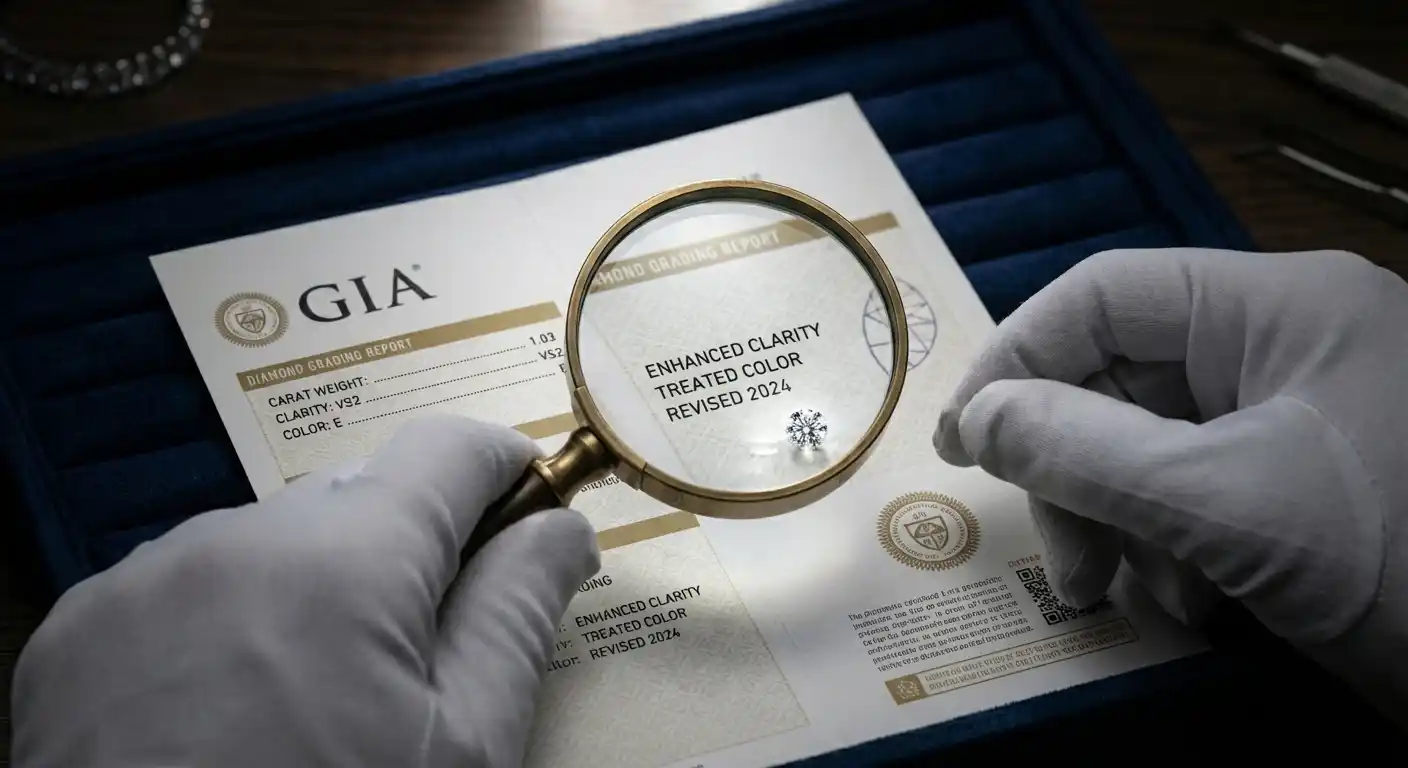
- Certification: GIA, AGS, or IGI grading reports
- Cut grade: Excellent or Ideal only
- Matching: Both earrings should be similar in quality
- Metal quality: Solid gold or platinum throughout
- Backing quality: Secure closure system
- Return policy: 30+ days to evaluate
Red Flags
- No certification or "in-house" grading only
- Pressure to buy immediately
- Prices dramatically below market
- Vague quality descriptions
- No return policy
The Matching Question
Diamond studs should match in:
- Carat weight (within 0.05ct)
- Color (within one grade)
- Cut quality (same grade)
- Approximate clarity
Minor variations are normal and often undetectable. Perfectly matched pairs command premium prices.
Care and Maintenance
Cleaning
Weekly quick clean:
- Wipe with soft, lint-free cloth after wearing
Monthly deep clean:
- Soak in warm water with mild dish soap (15-20 minutes)
- Gentle brush with soft toothbrush (behind settings especially)
- Rinse thoroughly
- Air dry completely
Professional cleaning: Annually for inspection and thorough cleaning
Storage
- Store separately to prevent scratching
- Use individual compartments or pouches
- Keep in a dry environment
- Consider a jewelry box with anti-tarnish properties
Inspections
- Check prongs monthly (visually)
- Professional inspection annually
- Have loose prongs repaired immediately
For complete earring care, see our earring care guide.
Frequently Asked Questions
should I get?
For most people, 0.50-1.00 tcw (total carat weight, or 0.25-0.50ct per earring) offers ideal everyday versatility. This range is noticeable without being overwhelming. For special occasions or those who prefer bold jewelry, 1.00-2.00 tcw provides more presence.
Are lab-grown diamond studs worth it?
Absolutely. Lab-grown diamonds are chemically identical to natural diamonds and look identical when worn. The 80-90% price savings allow you to get larger, higher-quality diamonds for your budget. The main trade-off is resale value—lab-grown diamonds have minimal secondary market value compared to natural diamonds.
How can I tell if diamond studs are real?
Certified diamonds from reputable retailers come with grading reports (GIA, IGI, AGS) that verify authenticity. For existing studs, a jeweler can test them quickly. Visual tests (breathing on them, newspaper test) are unreliable. See our how to tell if a diamond is real guide.
What's better: screw-back or push-back?
Screw-backs offer maximum security and are ideal for valuable studs or active lifestyles. They take slightly longer to put on.
Quality friction backs (push-backs) are secure enough for most situations and more convenient.
La Pousette backs offer a premium alternative—secure but easy to operate.
For everyday wear, either works well. For very valuable studs, consider screw-backs.
Should diamond studs be certified?
For diamonds over 0.25ct each (0.50 tcw), certification from GIA, AGS, or IGI is strongly recommended. Certification provides independent verification of quality and protects your purchase.
Can I shower/sleep in diamond studs?
It's generally recommended to remove earrings for sleeping (posts can bend; ears need rest) and showering (soap buildup dulls stones). That said, diamond studs are durable—occasional exposure won't damage them.
Make Your Choice
Diamond stud earrings represent one of jewelry's best investments—timeless pieces you'll wear for decades across countless occasions. Whether you choose natural diamonds for their rarity or lab-grown for their value, prioritize excellent cut quality above all else. The sparkle of a well-cut diamond, regardless of origin, is what makes these earrings truly special.
Continue exploring:
- Diamond Stud Size Guide
- Diamond Clarity Guide
- Lab-Grown vs Natural Diamonds
- Complete Earring Guide
- Earring Care Guide
About the Author
Alfreda Borror
Alfreda Borror is the founding editor of Opulent Opal, writing research-based buying guides on diamonds, birthstones, and fine jewelry.