Best Pearl Earrings 2026: Classic Studs to Statement Drops

This post may contain affiliate links. Read our affiliate policy
Jackie Kennedy wore them to state dinners. Audrey Hepburn paired them with that little black dress. Your grandmother probably saved hers for you. Pearl earrings have that kind of staying power—they've been elegant for centuries and will be elegant for centuries more.
But "pearl earrings" covers enormous ground: $30 freshwater studs and $5,000 South Sea drops. Akoya, Tahitian, baroque, and hanadama. Knowing the differences separates smart purchases from expensive mistakes. This guide breaks down pearl types, quality markers, and price ranges so you can find pearl earrings worth their place in your collection.
Table of Contents
- Pearl Types Explained
- Quality Factors
- Pearl Earring Styles
- Best Picks by Budget
- Size Guide
- Color Options
- Care Essentials
- FAQ
Pearl Types Explained
Not all pearls are created equal. Understanding the four main pearl types helps you choose wisely.
Akoya Pearls
The classic pearl most people picture. Cultivated primarily in Japan and China.
Characteristics:
- Round shape (most consistently spherical of all pearls)
- Sizes typically 5-9mm
- Exceptional luster (mirror-like shine)
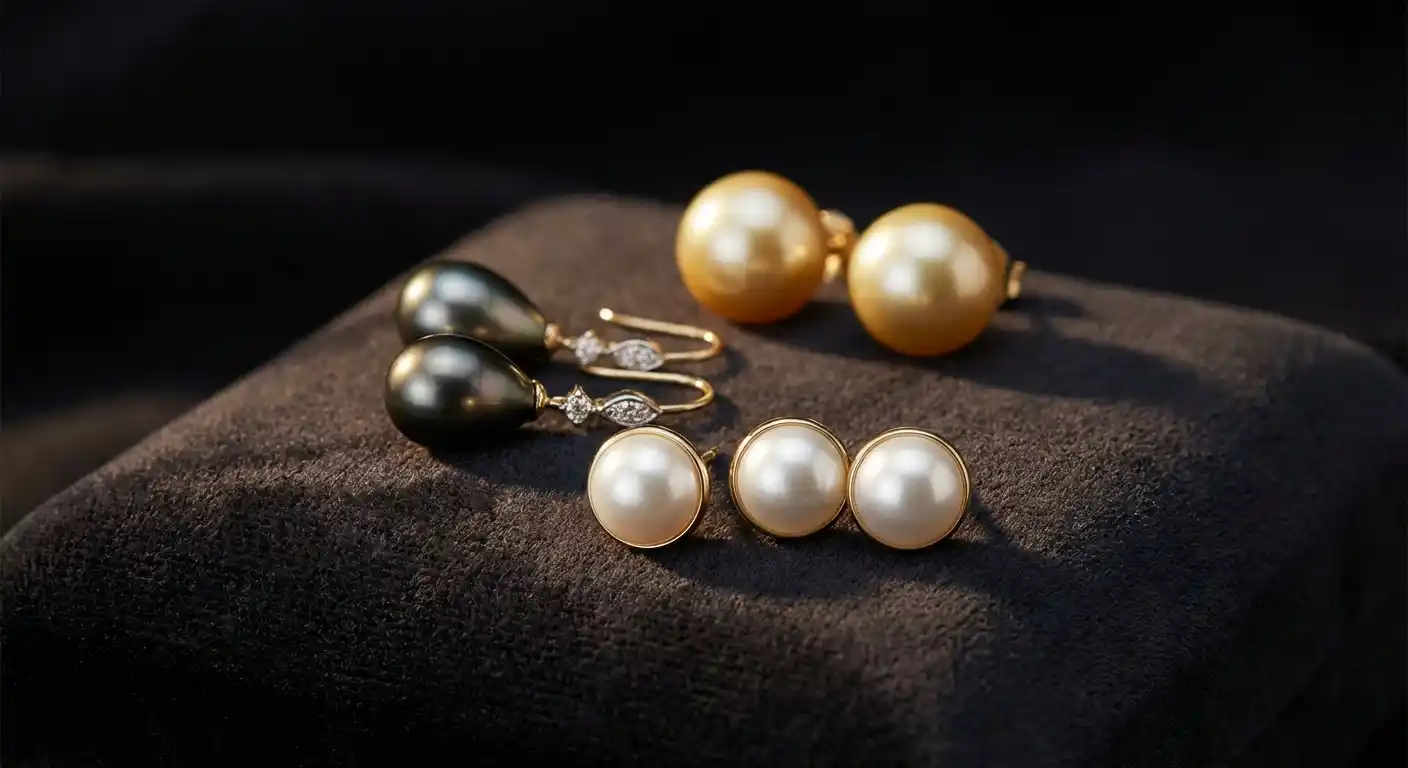
- Classic white to cream body color
- Rose or silver overtones common
Best for: Classic pearl studs, traditional elegance, professional settings
Price range: Moderate to high ($100-1,000+ for quality studs)
Freshwater Pearls
Cultivated in freshwater mussels, primarily in China.
Characteristics:
- Wide variety of shapes (round to baroque)
- Sizes from tiny to 15mm+
- Good luster (varies by quality)
- Many natural colors (white, pink, lavender, peach)
- Most affordable pearl type
Best for: Everyday wear, fashion-forward styles, budget-conscious buyers, color variety
Price range: Budget to moderate ($20-500 for quality pieces)
South Sea Pearls
The largest cultured pearls, from the Pinctada maxima oyster in Australia, Indonesia, and the Philippines.
Characteristics:
- Large sizes (9-20mm typical)
- Satiny, soft luster
- White, silver, or golden body colors
- Naturally rare and valuable
- Often slightly baroque (not perfectly round)
Best for: Luxury statement pieces, special occasions, investment jewelry
Price range: High to very high ($500-10,000+ for quality studs)
Tahitian Pearls
Cultivated in French Polynesia; the only naturally dark pearls.
Characteristics:
- Sizes typically 8-16mm
- Dark body colors (black, gray, green, peacock)
- Excellent luster
- Often show rainbow overtones ("peacock" effect)
- Exotic, dramatic appearance
Best for: Modern sophistication, dramatic style, unique gifts
Price range: Moderate to high ($300-5,000+ for quality pieces)
Pearl Type Comparison
| Type | Size Range | Shape | Luster | Price |
|---|---|---|---|---|
| Akoya | 5-9mm | Very round | Excellent | $$-$$$ |
| Freshwater | 4-15mm | Varies | Good-Excellent | $-$$ |
| South Sea | 9-20mm | Varies | Satiny | $$$$-$$$$$ |
| Tahitian | 8-16mm | Varies | Excellent | $$$-$$$$ |
Quality Factors
Pearl quality is evaluated on several factors—understanding them helps you assess value.
Luster
The most important quality factor. Luster is the pearl's inner glow—how light reflects from beneath the surface.
High luster: Bright, sharp reflections; you can see yourself clearly Medium luster: Softer reflections; visible but not mirror-like Low luster: Dull, chalky appearance; minimal reflection
Priority: Always choose the best luster your budget allows. Luster is what makes pearls special.
Surface Quality
Pearls naturally have minor surface characteristics (spots, bumps, wrinkles). Quality grades reflect how noticeable these are:
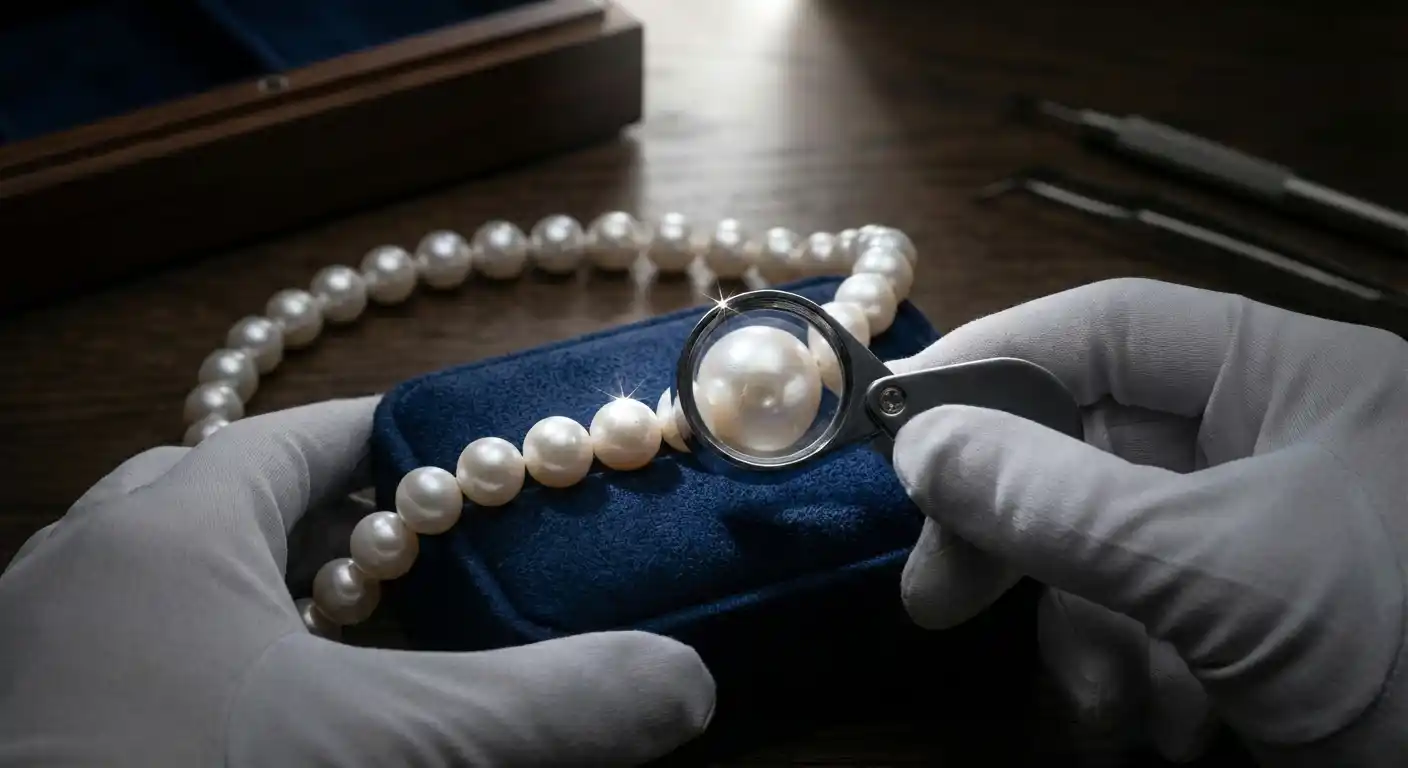
- Clean/AAA: Minor characteristics visible only under magnification
- Lightly spotted/AA+: Minor characteristics visible to naked eye
- Moderately spotted/AA: Noticeable but not dominant
- Heavily spotted/A: Obvious blemishes
For earrings: Since pearls are viewed from a distance, minor surface characteristics are less critical than for necklaces. AA+ or better is typically sufficient.
Shape
Shape categories from most to least valuable:
- Round: Perfectly spherical; most valued, especially for studs
- Near-round: Slightly off-round; excellent value alternative
- Oval/Button: Symmetrical but not spherical
- Drop: Teardrop shaped; beautiful for drops and dangles
- Baroque: Irregular; fashionable, unique, often affordable
- Circled/ringed: Have visible rings; distinctive style
For studs: Round or near-round preferred For drops: Drop shapes can be stunning and more affordable
Size
Pearl size is measured in millimeters (diameter). Larger pearls of equal quality are more valuable.
General sizing:
- 5-6mm: Delicate, understated
- 7-8mm: Classic, most popular
- 9-10mm: Substantial, noticeable
- 11mm+: Statement, dramatic
Matching
For earrings, matched pairs should be similar in:
- Size (within 0.5mm)
- Color and overtone
- Luster
- Shape
Perfectly matched pairs command premium prices.
Pearl
Pearls work beautifully in many earring designs.
Pearl Studs
The classic choice—a single pearl mounted on a post.
Characteristics:
- Timeless elegance
- Appropriate for any occasion
- Comfortable all-day wear
- Most versatile pearl earring
Best pearl types: Akoya (most traditional), high-quality freshwater (best value)
Ideal sizes: 6-9mm for everyday; 10mm+ for statement
Pearl Drops
Pearls suspended below the earlobe on a chain, wire, or setting.
Characteristics:
- Elegant movement
- More formal than studs
- Showcases pearl shape and luster
- Various lengths available
Best pearl types: All types work; drop-shaped pearls particularly beautiful
Consider: Length, weight (pearls are relatively light), and chain quality
Pearl and Diamond Combinations
Pearls paired with diamond accents for added sparkle.
Styles:
- Diamond halo around pearl stud
- Diamond tops with pearl drops
- Linear designs alternating pearls and diamonds
Effect: Combines pearl's soft glow with diamond's brilliance
Pearl Hoops
Hoops adorned with pearls—either set into the hoop or dangling from it.
Characteristics:
- Modern interpretation of classic
- Playful, fashion-forward
- Various sizes and configurations
Baroque Pearl Earrings
Featuring irregular, uniquely shaped pearls.
Characteristics:
- No two are identical
- Fashion-forward, artistic
- Often more affordable than round pearls
- Statement-making
Pearl Cluster Earrings
Multiple pearls grouped together in one earring.
Characteristics:
- Dramatic visual impact
- Can mix pearl sizes
- Often feature additional elements (diamonds, metal work)
Best Picks by Budget
Budget: Under $100
Quality pearls at this price point require smart shopping.
Best options:
- High-quality freshwater pearl studs (6-8mm)
- Near-round shapes (saves money, looks nearly identical to round)
- Good luster freshwater in fashion colors
What to expect:
- Freshwater pearls only at quality levels
- Sterling silver settings
- Good (not exceptional) luster
Where to shop: Reputable online pearl retailers, department stores (on sale)
Budget: $100-300
The sweet spot for quality everyday pearl earrings.
Best options:
- Quality freshwater pearl studs (7-9mm, round)
- Entry-level Akoya pearl studs (5-6mm)
- Freshwater pearl drops
- Fashion-forward baroque freshwater
What to expect:
- Good to very good luster
- 14K gold settings possible
- Visible difference from budget options
What to look for:
- AAA or AA+ quality freshwater
- 14K gold posts for sensitive ears
- Secure backings
Budget: $300-700
Genuine fine pearl earrings become accessible.
Best options:
- Quality Akoya pearl studs (6-7.5mm)
- Premium freshwater pearl studs (9-10mm, round, excellent luster)
- Small Tahitian pearl studs
- Akoya pearl drops
What to expect:
- Excellent luster
- 14K or 18K gold settings
- Well-matched pairs
- Classic jewelry-store quality
Budget: $700-1,500
Premium pearl earrings with excellent quality.
Best options:
- Hanadama Akoya studs (7-8mm)
- Quality Tahitian pearl studs (9-10mm)
- Golden South Sea studs (smaller sizes)
- Akoya drops with diamond accents
What to expect:
- Top-tier luster
- Beautifully matched pairs
- Premium settings (18K gold, platinum)
- Retail jewelry-store presentation
Hanadama note: "Hanadama" is a quality designation for the finest Akoya pearls—the absolute best luster and surface quality.
Budget: $1,500+
Luxury and investment-quality pearls.
Best options:
- Large Akoya studs (8mm+ Hanadama)
- South Sea pearl studs (10mm+)
- Premium Tahitian pearls with exceptional overtones
- South Sea or Tahitian drops
- Designer pearl pieces
What to expect:
- The finest luster available
- Perfectly matched pairs
- Platinum or 18K gold settings
- Heirloom quality
- Full documentation
Size Guide
Pearl size significantly affects appearance and occasion-appropriateness.
Stud Size Recommendations
| Size | Appearance | Best For |
|---|---|---|
| 5-6mm | Delicate, subtle | Minimalist style, second holes, young wearers |
| 7-8mm | Classic, noticeable | Everyday elegance, professional settings |
| 9-10mm | Substantial, elegant | Special occasions, confident style |
| 11mm+ | Statement, dramatic | Evening events, bold fashion |
Size by Pearl Type
Different pearl types excel at different sizes:
- Akoya: Most beautiful at 6-9mm
- Freshwater: Versatile from 5-12mm
- South Sea: Impressive at 10mm+
- Tahitian: Stunning at 9-13mm
Proportion Considerations
Consider your features when choosing size:
- Petite earlobes: 5-8mm appears proportional
- Larger earlobes: Can carry 9mm+ comfortably
- Bold style: Size up for impact
- Subtle preference: Size down for understated elegance
Color Options
Pearl color includes body color and overtone.
White/Cream Pearls
Body colors: White, ivory, cream Overtones: Rose (pink), silver, cream
Best for: Classic looks, professional settings, bridal, versatility
Most flattering for: Cool skin tones (white with silver overtone); warm skin tones (cream with rose overtone)
Black/Gray Pearls (Tahitian)
Body colors: Black, gray, green, bronze Overtones: Peacock (green-pink), blue, purple
Best for: Modern sophistication, dramatic style, standing out
Most flattering for: Nearly all skin tones; particularly striking against darker skin
Golden Pearls (South Sea)
Body colors: Champagne, gold, deep gold Overtones: Often satiny, less overtone than other types
Best for: Luxury, warm elegance, special occasions
Most flattering for: Warm skin tones; makes pale skin glow
Pink/Lavender (Freshwater)
Body colors: Natural pink, lavender, peach Common in: Quality freshwater pearls
Best for: Feminine style, romantic occasions, unique expression
Most flattering for: Cool skin tones (lavender); warm skin tones (peach)
Choosing Your Color
Classic and versatile: White Akoya with rose overtone—works with everything
Unique but wearable: Tahitian "peacock"—modern, distinctive, surprisingly versatile
Warm and luxurious: Golden South Sea—statement pieces with warmth
Budget-friendly variety: Freshwater in natural colors—explore without major investment
Care Essentials
Pearls require special care—they're organic gems formed by living creatures.
The Golden Rule
"Last on, first off": Put pearl earrings on after applying:
- Hairspray
- Perfume
- Makeup
- Lotions
These products can damage pearl nacre (the lustrous coating).
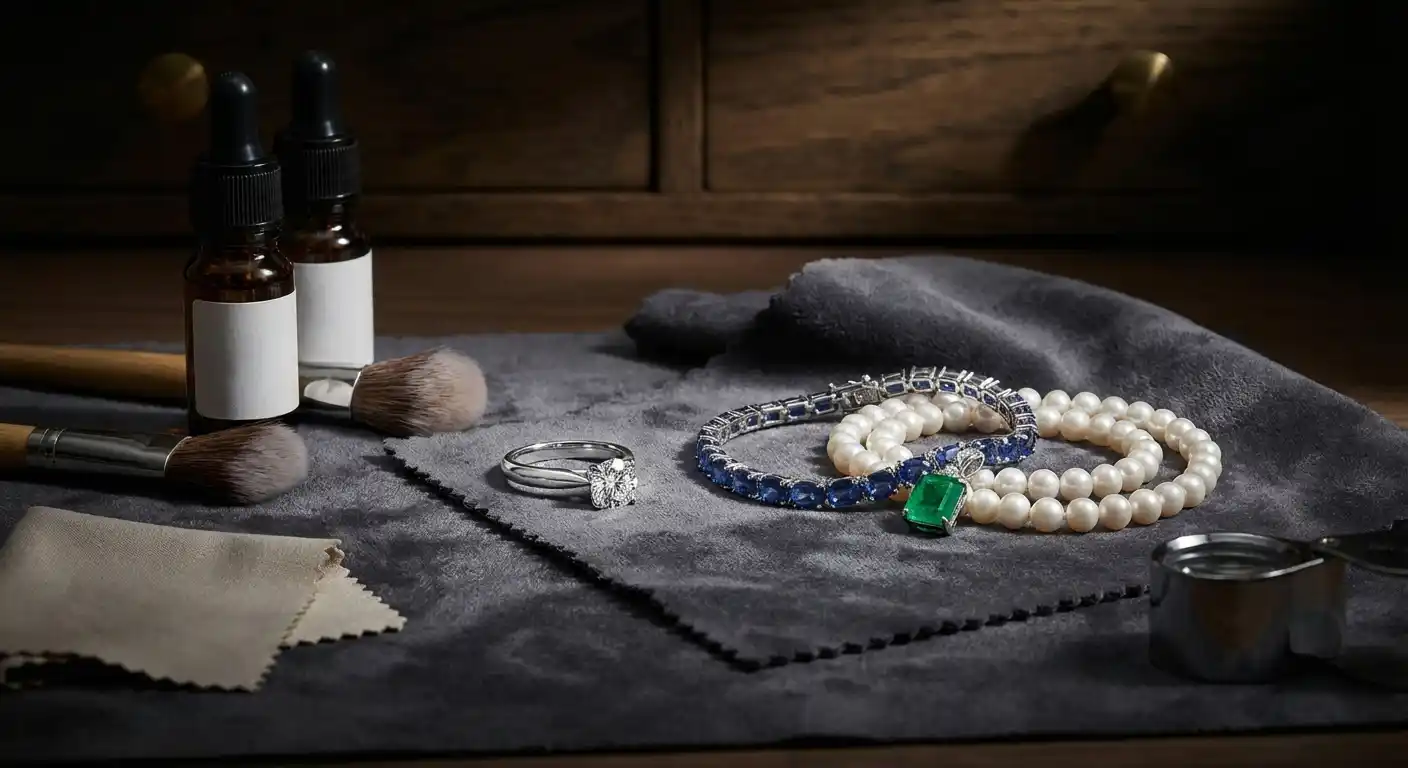
Cleaning
After every wear:
- Wipe gently with soft, damp cloth
- Allow to dry before storing
Never:
- Soak pearls
- Use ultrasonic or steam cleaners
- Apply chemicals, ammonia, or harsh cleaners
- Scrub pearls
For more detail, see our guide to cleaning pearls.
Storage
- Store separately from other jewelry (pearls scratch easily)
- Use soft cloth pouch or lined compartment
- Don't store in airtight plastic (pearls need some moisture)
- Keep away from direct heat and sunlight
Wearing Considerations
- Remove before swimming (chlorine and salt damage pearls)
- Avoid wearing while exercising (sweat affects nacre)
- Put on after getting dressed (fabric snags)
- Remove before sleeping
Professional Care
- Inspect settings annually
- Restring pearl drop earrings if silk shows wear
- Professional cleaning can restore luster to dull pearls (within limits)
For complete earring care, see our earring care guide.
Frequently Asked Questions
Are freshwater pearls "real" pearls?
Yes! Freshwater pearls are genuine pearls created by living mollusks. They're simply cultivated in freshwater mussels rather than saltwater oysters. Quality freshwater pearls rival Akoya in beauty at a fraction of the price.
How can I tell if pearls are real?
Real pearls feel slightly gritty when rubbed against teeth (fake pearls feel smooth). They're also cool to the touch initially and have subtle surface variations. For valuable pearls, seek professional authentication. See our how to tell if pearls are real guide.
How long do pearl earrings last?
With proper care, quality pearl earrings can last generations. Pearls worn regularly may eventually show wear to their nacre after decades. The settings and backings are more likely to need attention before the pearls themselves.
What size pearl studs should I get?
For everyday classic elegance, 7-8mm is the most popular and versatile size. If you prefer subtle jewelry, 5-6mm works beautifully. For statement pieces, 9-10mm or larger creates more impact.
Should I choose round or baroque pearls?
Round pearls: Classic, formal, timeless, traditional
Baroque pearls: Modern, unique, fashion-forward, often more affordable
Both are beautiful—it's a matter of personal style. Round pearls suit traditional aesthetics and professional settings. Baroque pearls make artistic statements.
Can I wear pearl earrings every day?
Yes, but remove them nightly and follow care guidelines:
- Put on last, take off first
- Wipe after wearing
- Keep away from chemicals
- Store properly
Daily wear with proper care won't significantly affect quality pearls.
Why do pearl earrings turn yellow?
Pearls can yellow from:
- Age and light exposure (unavoidable over decades)
- Chemical exposure (perfume, hairspray)
- Improper storage
- Low-quality pearls deteriorating
Quality pearls with proper care resist yellowing for many years.
Timeless Elegance Awaits
Pearl earrings offer an elegance that transcends trends—as appropriate today as they were for generations past. Whether you choose classic Akoya studs, dramatic Tahitian drops, or fashion-forward baroque freshwater pearls, quality pearls worn with care will bring you joy for years to come.
Continue exploring:
- Complete Earring Guide
- How to Tell if Pearls Are Real
- How to Clean Pearls
- Drop and Dangle Earrings
- Earring Care Guide
About the Author
Alfreda Borror
Alfreda Borror is the founding editor of Opulent Opal, writing research-based buying guides on diamonds, birthstones, and fine jewelry.