Diamond Shapes for Engagement Rings: Find Your Perfect Cut

This post may contain affiliate links. Read our affiliate policy
This article contains affiliate links. We may earn a commission if you make a purchase through our links, at no extra cost to you.
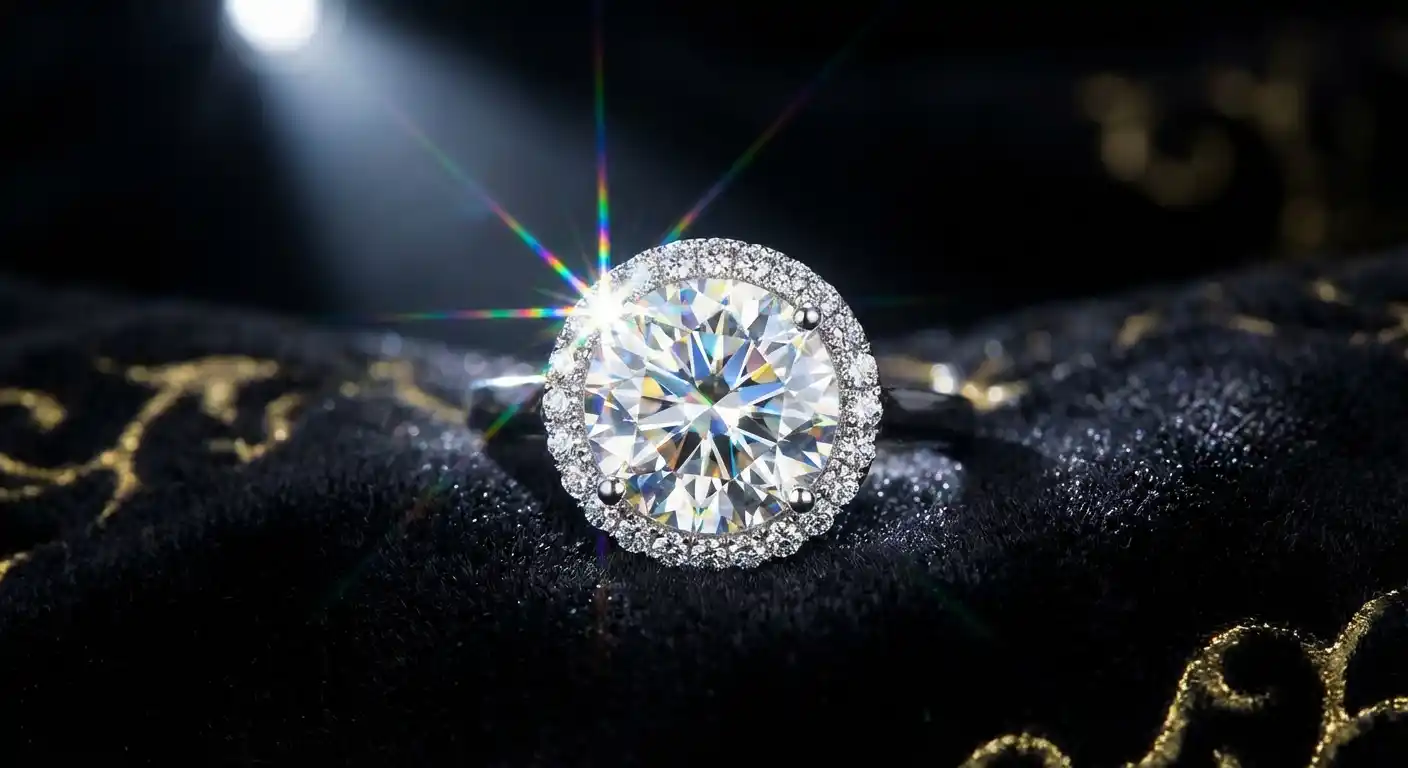
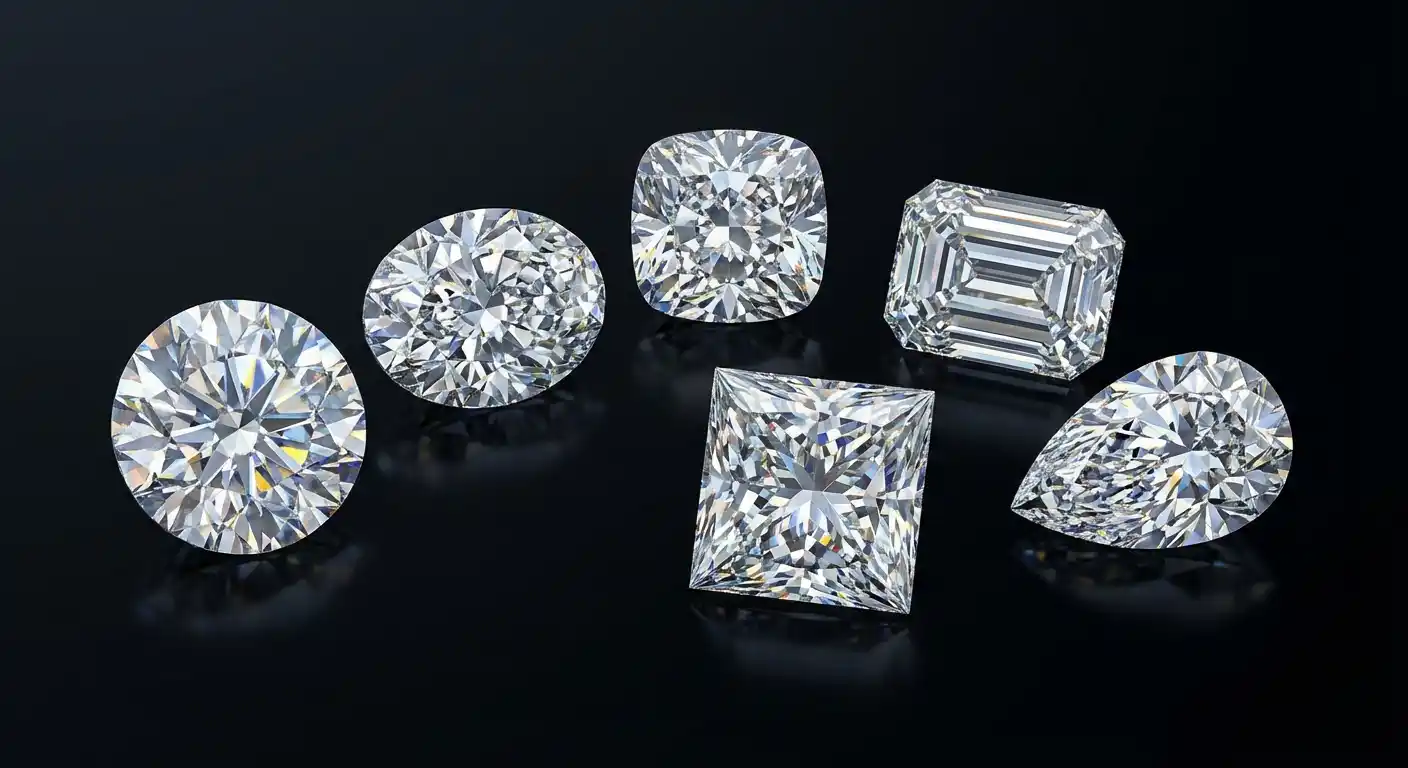
The shape of your diamond affects everything—how it sparkles, how large it appears, and the overall style statement it makes. While "cut" refers to quality (excellent to poor), "shape" describes the diamond's outline and faceting pattern. From classic rounds to trending ovals, each shape has distinct characteristics that influence both appearance and price.
This guide examines every major diamond shape, helping you understand the unique properties that make each special. For complete buying guidance, see our engagement ring guide.
Understanding Shape vs. Cut
Before diving in, let's clarify an important distinction:
- Shape: The diamond's outline when viewed from above (round, oval, square, etc.)
- Cut: The quality of the diamond's faceting, proportions, and polish (Excellent to Poor)
All diamond shapes can be cut well or poorly. A well-cut oval outperforms a poorly cut round. However, round brilliants have standardized ideal proportions, making cut quality easier to evaluate.
Round Brilliant
The most popular shape, accounting for over 50% of all diamond sales.
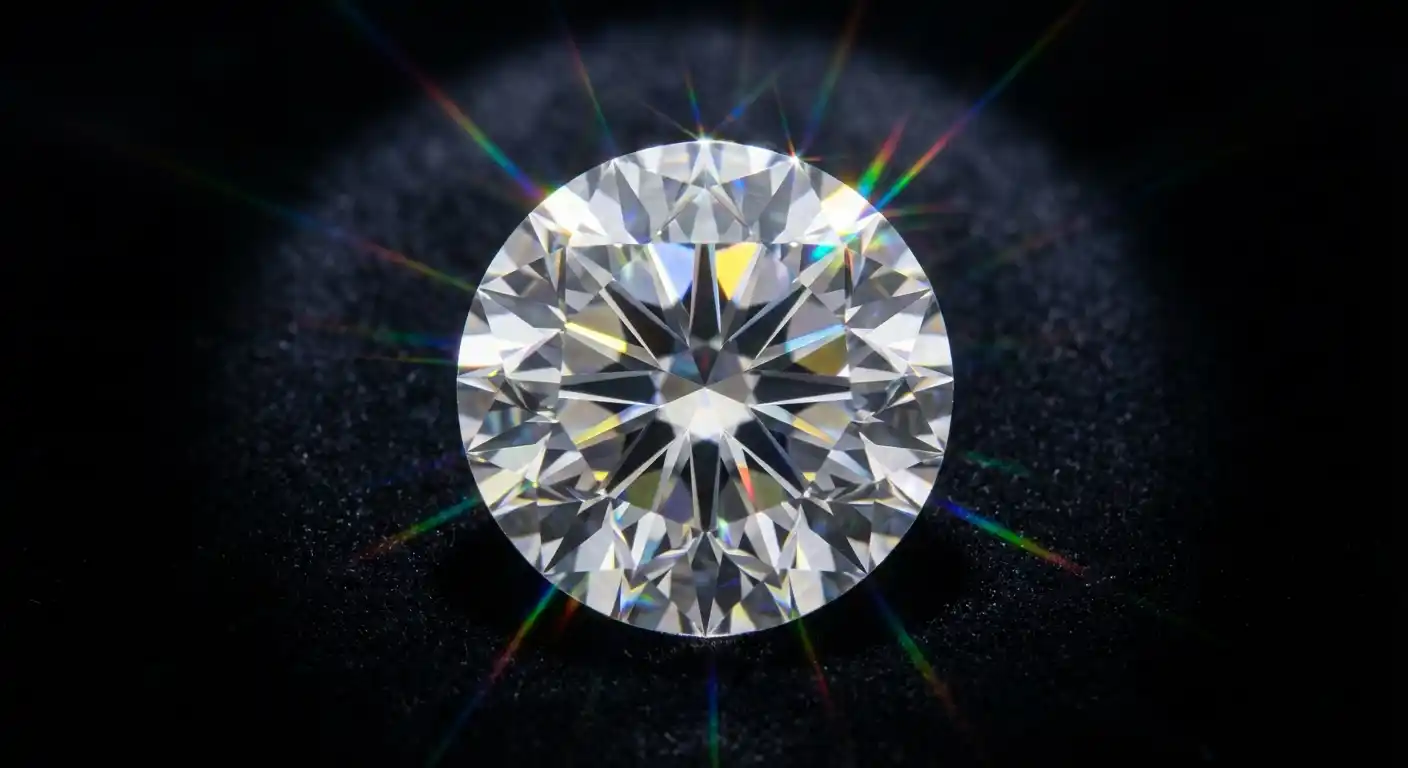
The round brilliant cut was mathematically optimized in 1919 by Marcel Tolkowsky to maximize light return. Its 58 facets are precisely angled to capture and reflect maximum light.
Key Characteristics
| Attribute | Rating |
|---|---|
| Brilliance | Exceptional |
| Fire | Excellent |
| Face-up size | Average |
| Price per carat | Highest |
Why It's Popular
- Maximum sparkle: Optimized faceting returns more light than any other shape
- Timeless appeal: Never goes out of style
- Easy grading: Standardized cut quality makes comparison simple
- Versatile: Works in any setting
- Hides inclusions well: Brilliance masks flaws
Considerations
- Higher price: Most expensive per carat (high demand, more rough wasted in cutting)
- Common: Some prefer more distinctive shapes
- Average face-up: Doesn't appear as large as fancy shapes of equal weight
Best Settings
Works beautifully in any setting: solitaire, halo, three-stone, pavé, bezel. See our engagement ring settings guide.
Price Impact
Round brilliants cost 25-35% more per carat than most fancy shapes due to demand and rough diamond waste during cutting.
Oval
The hottest trending shape, dominating engagement ring searches in 2025-2026.
Oval diamonds combine the brilliance of round cuts with an elongated silhouette that flatters the finger. They've surged in popularity, becoming the most-requested shape among many jewelers.
Key Characteristics
| Attribute | Rating |
|---|---|
| Brilliance | Excellent |
| Fire | Very Good |
| Face-up size | Larger than round |
| Price per carat | 20-30% less than round |
Why It's Trending
- Finger-elongating: Creates illusion of longer, slimmer fingers
- Appears larger: More surface area than equivalent round
- Modern elegance: Contemporary without being trendy
- Excellent value: Lower per-carat cost than rounds
- Versatile orientation: Works east-west or traditional north-south
Considerations
- Bow-tie effect: Dark area across center in poorly cut ovals (look for minimal bow-tie)
- Length-to-width ratio: Personal preference ranges from 1.3 (wider) to 1.5 (longer)
- No standardized cut grade: Requires visual inspection or expert guidance
Ideal Proportions
| Aspect | Ideal Range |
|---|---|
| Length-to-width | 1.35-1.50 |
| Table | 53-63% |
| Depth | 58-62% |
| Bow-tie | None to minimal |
Best Settings
Stunning in solitaire, east-west settings, three-stone (with pear sides), and halos. The elongated shape suits taller settings that emphasize length.
Cushion Cut
A romantic, vintage-inspired shape with pillow-like softness.
Cushion cuts combine a square or rectangular outline with rounded corners. They've been popular since the 19th century and remain beloved for their romantic, antique appeal.
Key Characteristics
| Attribute | Rating |
|---|---|
| Brilliance | Good |
| Fire | Exceptional |
| Face-up size | Average |
| Price per carat | 20-30% less than round |
Types of Cushion Cuts
| Type | Faceting | Appearance |
|---|---|---|
| Cushion Brilliant | Similar to round | More sparkle |
| Crushed Ice | Random faceting | Subtle shimmer |
| Antique Cushion | Larger facets | Bold flashes |
| Modified Cushion | Extra facets | Maximum brilliance |
Why Choose Cushion
- Exceptional fire: Larger facets produce colorful light dispersion
- Romantic aesthetic: Soft, vintage appeal
- Versatile: Works square or rectangular
- Hides color well: Retains warmth attractively
- Budget-friendly: Lower per-carat cost
Considerations
- Shows color: More apparent than round (consider H color or better)
- Face-up size: Appears smaller than oval or marquise of equal weight
- Cut variations: Quality varies significantly—inspect carefully
Ideal Proportions
| Aspect | Ideal Range |
|---|---|
| Length-to-width | 1.00-1.10 (square) or 1.15-1.30 (rectangular) |
| Table | 58-68% |
| Depth | 61-68% |
Best Settings
Beautiful in halos (cushion halos particularly), solitaires, three-stone, and vintage settings. The soft corners complement ornate metalwork.
Emerald Cut
Clean lines and sophisticated step-cut faceting for quiet luxury.
Emerald cuts feature rectangular outlines with cut corners and long, parallel facets that create a hall-of-mirrors effect rather than sparkle. Originally developed for emeralds (hence the name), this cut emphasizes clarity and color over brilliance.
Key Characteristics
| Attribute | Rating |
|---|---|
| Brilliance | Moderate |
| Fire | Low (but dramatic flashes) |
| Face-up size | Large |
| Price per carat | 20-40% less than round |
Why Choose Emerald
- Sophisticated elegance: Understated, architectural beauty
- Large appearance: Step facets maximize visual size
- Art Deco appeal: Perfect for geometric, vintage settings
- Unique light play: Dramatic flashes rather than constant sparkle
- Excellent value: Lower per-carat cost
Considerations
- Shows inclusions: Step facets reveal flaws—choose VS2 or better clarity
- Shows color: Needs higher color grades (G or better recommended)
- Less sparkle: Not for those wanting maximum brilliance
- Requires quality: Poor cuts are obvious in this shape
Ideal Proportions
| Aspect | Ideal Range |
|---|---|
| Length-to-width | 1.30-1.50 |
| Table | 61-69% |
| Depth | 61-67% |
Best Settings
Stunning in solitaires, three-stone with baguette sides, and bezel settings. The clean lines suit modern and Art Deco aesthetics. Halos can look busy with this shape.
Princess Cut
A contemporary square shape with brilliant-style sparkle.
Princess cuts combine a square or slightly rectangular outline with brilliant-style faceting underneath, delivering modern geometry with excellent sparkle.
Key Characteristics
| Attribute | Rating |
|---|---|
| Brilliance | Excellent |
| Fire | Very Good |
| Face-up size | Average |
| Price per carat | 20-30% less than round |
Why Choose Princess
- Modern aesthetic: Contemporary, edgy appearance
- Excellent brilliance: Rivals round for sparkle
- Good value: Lower per-carat cost than rounds
- Efficient cutting: Less rough wasted = savings passed on
- Clean lines: Suits minimalist, geometric designs
Considerations
- Vulnerable corners: Points can chip if not protected
- Setting requirements: Needs V-prongs or bezel to protect corners
- Color visibility: Can show warmth in corners
- Less popular currently: Ovals and rounds dominate trends
Ideal Proportions
| Aspect | Ideal Range |
|---|---|
| Length-to-width | 1.00-1.05 (square) |
| Table | 67-72% |
| Depth | 65-75% |
Best Settings
Best in settings that protect corners: V-prong solitaires, bezels, or channel settings. Halos work but corners need protection. Avoid tension settings for princess cuts.
Marquise
Dramatic elongation for maximum finger coverage.
The marquise (pronounced mar-KEEZ) shape features an elongated body with pointed ends, reportedly designed to resemble the smile of the Marquise de Pompadour for King Louis XV of France.
Key Characteristics
| Attribute | Rating |
|---|---|
| Brilliance | Good |
| Fire | Good |
| Face-up size | Largest per carat |
| Price per carat | 30-40% less than round |
Why Choose Marquise
- Maximum size appearance: Looks largest of all shapes per carat
- Finger elongation: Creates dramatically longer-looking fingers
- Unique statement: Distinctive and eye-catching
- Excellent value: Significant per-carat savings
- Vintage glamour: Old Hollywood appeal
Considerations
- Bow-tie effect: Dark area can appear across center
- Vulnerable points: Tips can chip—need V-prongs or bezels
- Setting orientation: Can be worn north-south or east-west
- Length-to-width matters: Extreme ratios can look odd
Ideal Proportions
| Aspect | Ideal Range |
|---|---|
| Length-to-width | 1.75-2.25 |
| Table | 53-63% |
| Depth | 58-62% |
| Bow-tie | None to minimal |
Best Settings
Dramatic in solitaires, particularly bezel settings that protect points. Three-stone with matching or round sides creates balance. East-west orientation is increasingly popular.
Pear Shape
Romantic teardrop combining round and marquise elements.
Pear shapes (also called teardrop) blend the brilliance of a round at one end with the dramatic point of a marquise at the other. The result is a unique, romantic shape with excellent light performance.
Key Characteristics
| Attribute | Rating |
|---|---|
| Brilliance | Very Good |
| Fire | Very Good |
| Face-up size | Larger than round |
| Price per carat | 20-30% less than round |
Why Choose Pear
- Romantic aesthetic: Teardrop evokes emotion
- Finger elongation: Point creates lengthening effect
- Versatile wear: Point up, point down, or east-west
- Good brilliance: Round end delivers sparkle
- Unique appearance: Distinctive without being extreme
Considerations
- Bow-tie effect: Can appear in center
- Point protection: Needs V-prong or bezel at tip
- Symmetry critical: Shoulders must match perfectly
- Orientation preference: Some prefer point toward finger, others away
Ideal Proportions
| Aspect | Ideal Range |
|---|---|
| Length-to-width | 1.45-1.75 |
| Table | 53-63% |
| Depth | 58-62% |
| Symmetry | Excellent |
Best Settings
Beautiful in solitaires, halo settings, and three-stone designs with round sides. The point can be worn toward or away from the hand—personal preference.
Asscher Cut
A square step-cut with Art Deco character.
The Asscher cut was created in 1902 by the Asscher Brothers of Holland. It's essentially a square emerald cut with larger step facets and distinctive cut corners that create an octagonal outline.
Key Characteristics
| Attribute | Rating |
|---|---|
| Brilliance | Moderate |
| Fire | Low-Moderate |
| Face-up size | Average |
| Price per carat | 20-30% less than round |
Why Choose Asscher
- Art Deco perfection: Defines the geometric era
- Unique appearance: Distinctive and recognizable
- Vintage character: Old-world charm
- Mesmerizing depth: Creates endless hall-of-mirrors effect
- Architectural beauty: Clean, geometric lines
Considerations
- Requires high clarity: Step facets show inclusions (VS2+ recommended)
- Requires high color: Shows warmth easily (G+ recommended)
- Less common: Harder to find, less comparison shopping
- Less sparkle: Step cuts prioritize different aesthetics
Best Settings
Stunning in solitaires and three-stone settings with matching Asscher or baguette sides. Suits Art Deco and geometric designs beautifully.
Radiant Cut
Brilliant-cut faceting in a rectangular package.
Radiant cuts combine the elegant outline of an emerald cut with the brilliant-style faceting underneath, delivering the best of both worlds: geometric shape with excellent sparkle.
Key Characteristics
| Attribute | Rating |
|---|---|
| Brilliance | Excellent |
| Fire | Very Good |
| Face-up size | Average |
| Price per carat | 20-30% less than round |
Why Choose Radiant
- Versatile shape: Available square or rectangular
- Excellent sparkle: Brilliant faceting delivers fire
- Cropped corners: More durable than sharp corners
- Hides inclusions well: Busy faceting masks flaws
- Unique option: Less common than round or oval
Considerations
- Can show bow-tie: Look for even light distribution
- No standardized proportions: Requires careful inspection
- Less common: Fewer comparison options
Best Settings
Works beautifully in solitaires, three-stone, and halo settings. The cut corners make it suitable for various prong configurations.
Shape Comparison Chart
| Shape | Brilliance | Size Appearance | Price vs. Round | Best For |
|---|---|---|---|---|
| Round | Excellent | Average | Baseline | Classic sparkle |
| Oval | Excellent | Larger | -25% | Modern elegance |
| Cushion | Good | Average | -25% | Romantic fire |
| Emerald | Moderate | Large | -35% | Sophisticated |
| Princess | Excellent | Average | -25% | Modern sparkle |
| Marquise | Good | Largest | -35% | Maximum impact |
| Pear | Very Good | Larger | -25% | Unique romance |
| Asscher | Moderate | Average | -25% | Art Deco |
| Radiant | Excellent | Average | -25% | Versatile sparkle |
Choosing Based on Hand Shape
| Hand Type | Flattering Shapes |
|---|---|
| Short fingers | Oval, marquise, pear (elongate) |
| Long fingers | Any shape works well |
| Wide fingers | Elongated shapes, marquise |
| Narrow fingers | Round, cushion, princess |
| Small hands | Avoid very large stones; proportional matters |
| Large hands | Can handle substantial stones |
2025-2026 Shape Trends
Current popularity ranking based on industry data:
- Oval — The dominant trend, continuing to rise
- Round — Eternal classic, never out of style
- Cushion — Romantic, vintage appeal
- Emerald — Quiet luxury movement
- Marquise — Making a comeback
- Pear — Steady interest
- Princess — Declining from peak popularity
- Radiant — Niche following
- Asscher — Collector appeal
For more on current styles, see our engagement ring trends 2026.
Frequently Asked Questions
Which shape looks biggest?
Marquise diamonds appear largest per carat due to their elongated shape and surface area. Ovals also appear larger than rounds of equal weight.
Which shape sparkles most?
Round brilliants have the most scientifically optimized faceting for maximum light return. However, well-cut ovals, radiants, and princess cuts also deliver excellent sparkle.
Which shape is cheapest?
Marquise and emerald cuts typically cost 30-40% less per carat than rounds. Cushion, oval, and princess cuts are 20-30% less.
Can inclusions hide better in certain shapes?
Yes. Brilliant-cut shapes (round, oval, cushion brilliant) hide inclusions better than step cuts (emerald, Asscher). The busy faceting distracts from flaws.
Does shape affect durability?
Pointed shapes (marquise, pear, princess) have vulnerable corners that can chip. Rounded shapes (oval, cushion, round) and cut-corner shapes (emerald, radiant) are more durable.
Continue Your Research
- Complete Engagement Ring Guide — Everything you need to know
- Engagement Ring Settings Guide — Solitaire, halo, and more
- Lab-Grown vs Natural Diamonds — Compare options
- Best Engagement Rings Under $1000 — Budget picks
About the Author
Alfreda Borror
Alfreda Borror is the founding editor of Opulent Opal, writing research-based buying guides on diamonds, birthstones, and fine jewelry.