Best Gem Testing Tools for Home Use

This post may contain affiliate links. Read our affiliate policy
Last month, a $20 diamond tester saved me from buying a $3,000 "diamond" ring that turned out to be cubic zirconia.
Professional gem authentication runs $50-$300 per stone. But with the right home testing kit—starting at just $50—you can screen gems yourself in minutes. This guide covers the essential equipment at every price point, from basic starter kits to professional-grade instruments that approach laboratory accuracy.
Table of Contents
- Why Build a Home Testing Kit
- Essential Tools: The Foundation
- Intermediate Equipment
- Advanced Tools
- Complete Kit Recommendations
- Tool Limitations to Understand
- FAQ
Why Build a Home Testing Kit
Professional gem authentication costs $50-$300 per stone. If you regularly acquire jewelry—from estate sales, auctions, family inheritances, or online purchases—those fees add up quickly. A one-time investment in testing equipment pays for itself after just a few uses.
What Home Testing Can Do
- Identify obvious fakes (glass, CZ, most simulants)
- Screen for moissanite (with proper equipment)
- Examine inclusions and surface features
- Test fluorescence patterns
- Verify measurements against certificates
- Provide initial assessment before professional appraisal
What Home Testing Cannot Do
- Distinguish natural from lab-grown diamonds definitively
- Determine precise grading (color, clarity grades)
- Identify sophisticated treatments
- Provide legally recognized documentation
- Replace professional certification for insurance or sale
Home testing is about screening and preliminary assessment—not definitive authentication of valuable stones.
Essential Tools: The Foundation
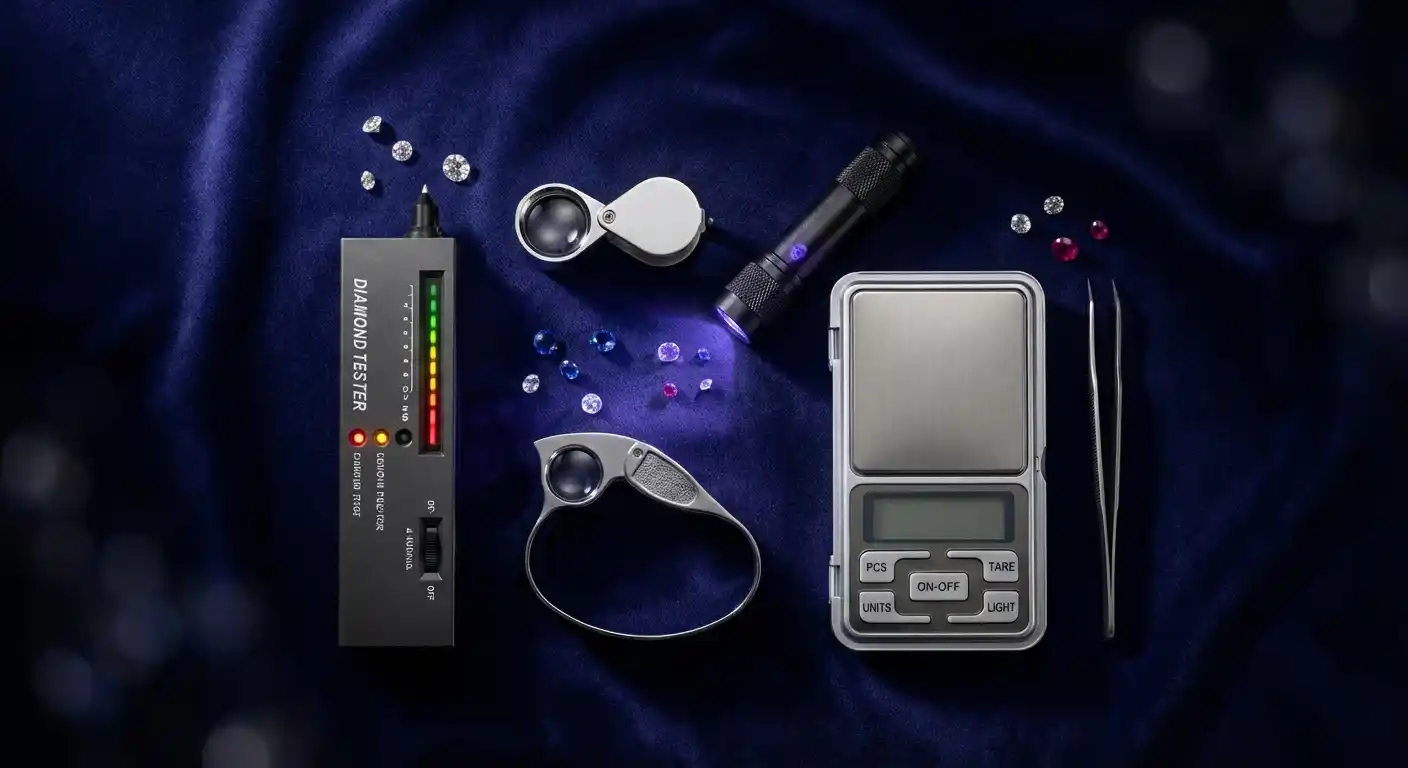
Every gem testing kit should start with these fundamentals. Total investment: approximately $50-$75.
1. Jeweler's Loupe (10x Magnification)
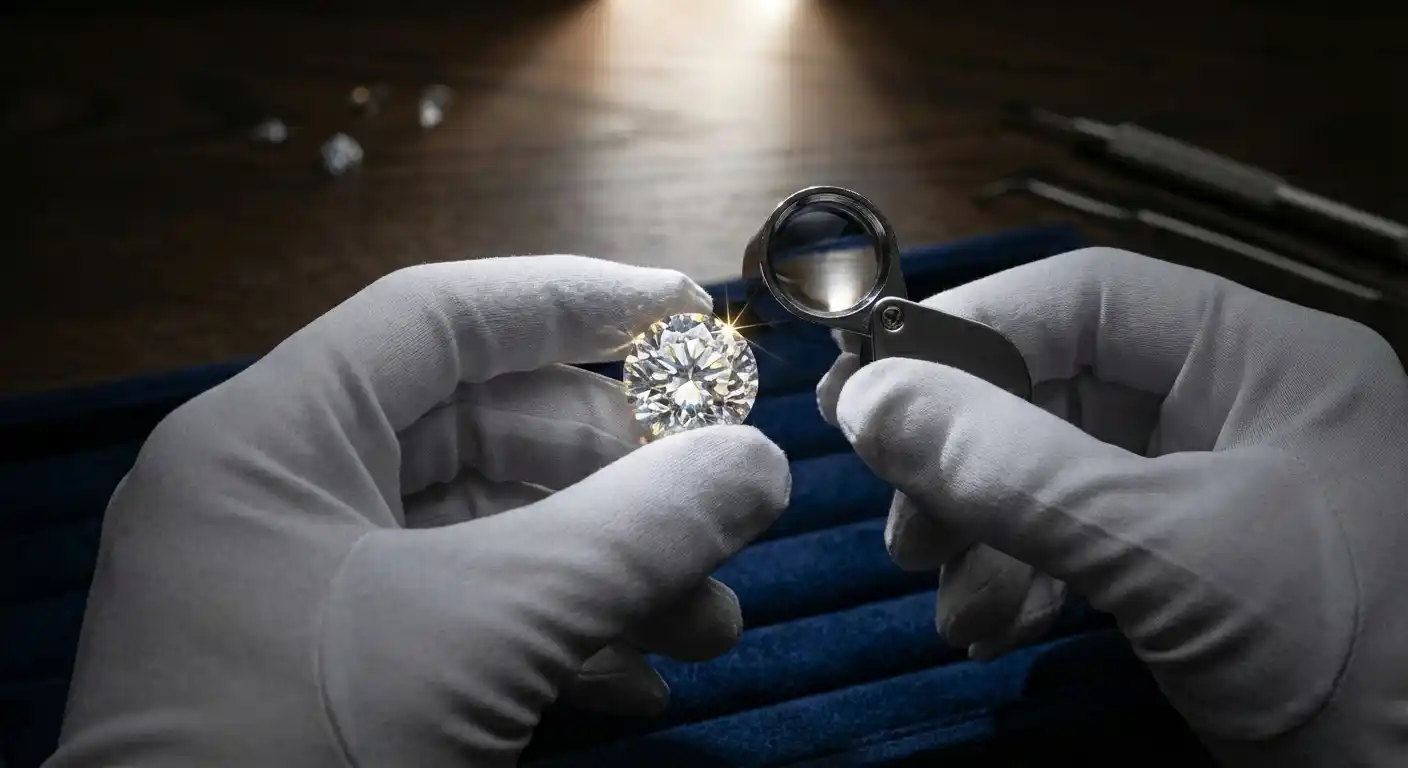
The most important tool in any gem kit. A quality 10x loupe reveals:
- Natural vs. synthetic inclusions
- Facet condition and craftsmanship
- Surface damage and wear
- Laser inscriptions on certified diamonds
- Growth patterns indicating origin
What to look for: Triplet lens construction eliminates color distortion. LED illumination helps in low light. UV option adds fluorescence capability.
The Dreamer 60X-100X Loupe combines magnification, LED, and UV light in one affordable package—excellent value for new collectors.
For serious examination, consider a BelOMO 10x triplet loupe—the same specification GIA uses for diamond grading.
2. Thermal Diamond Tester
Thermal testers measure how quickly a stone conducts heat. Diamond is an exceptional thermal conductor; glass, CZ, and most simulants are not. Basic testers provide instant identification of approximately 95% of diamond simulants.
Limitations: Basic thermal testers cannot distinguish diamonds from moissanite, which also conducts heat well. They also cannot identify lab-grown vs. natural diamonds.
The HDE Diamond Selector II offers reliable thermal testing at entry-level pricing. It won't catch moissanite, but it handles CZ, glass, and other common simulants effectively.
3. Strong Flashlight
A quality LED flashlight reveals:
- Transparency and inclusions
- Body color in colored stones
- Light performance (brilliance, fire)
- Internal fractures and treatments
Any 500+ lumen LED flashlight works. Look for adjustable focus to concentrate light on small stones.
4. Clean White Paper or Gem Tray
Background matters for color assessment. Clean white paper provides neutral backdrop for examining body color. A padded gem tray prevents stones from rolling and protects against surface damage.
Intermediate Equipment
Adding these tools significantly increases your capabilities. Total investment: approximately $150-$300 additional.
5. Dual Diamond/Moissanite Tester
The moissanite limitation of basic testers is significant—moissanite is the most common "upgraded" simulant in today's market. Dual testers combine thermal and electrical conductivity testing to distinguish diamonds from moissanite definitively.
The Presidium Duo Tester is the industry standard. One-button operation tests both thermal and electrical conductivity, providing clear identification of diamonds, moissanite, and simulants.
6. UV Flashlight (365nm)
Ultraviolet light reveals fluorescence—how gems glow under UV exposure. This helps identify:
- Natural vs. synthetic diamonds (different fluorescence patterns)
- Treated gems (treatments may affect fluorescence)
- Certain gem species (characteristic fluorescence colors)
Important: Wavelength matters. True 365nm UV lights provide accurate fluorescence testing. Cheaper 395nm "blacklights" show different results that may mislead.
The LIGHTFE 365nm UV Flashlight provides true 365nm output at a reasonable price point. The difference from cheap blacklights is dramatic.
7. Precision Digital Scale
Weighing gems enables specific gravity testing—measuring density to identify gem species. Required specifications:
- 0.01g precision (0.001g preferred)
- Tare function for vessel weight
- Capacity of at least 100g
The Fuzion Digital Pocket Scale provides the precision needed for home specific gravity testing at an accessible price.
8. Millimeter Gauge or Calipers
Precise measurement verifies certificate accuracy and enables size-based value estimates. Digital calipers with 0.01mm resolution work well. Measure length, width, and depth to compare against certificate specifications.
Advanced Tools
Professional-grade equipment for serious collectors or gemology students. Investment: $500+ additional.
9. Refractometer
Refractometers measure refractive index (RI)—how much light bends when entering a stone. Each gem species has a characteristic RI range, making this one of the most definitive identification tools.
Limitations: Requires loose stones (won't work mounted). Diamond and moissanite exceed most refractometers' measurement range—the "over limit" reading itself indicates these high-RI stones.
Quality gemological refractometers start around $150-$200. They require refractive index liquid (usually included) and practice to use correctly.
10. Polariscope
Polariscopes use polarized light to determine:
- Single vs. double refraction (helps identify gem species)
- Strain patterns (may indicate treatments or synthetics)
- Optic character (distinguishes similar gems)
Basic polariscopes are affordable ($30-$50), but interpretation requires gemological knowledge.
11. Spectroscope
Spectroscopes analyze absorption spectra—which wavelengths of light a gem absorbs. Characteristic absorption patterns identify gem species and sometimes reveal treatments or origins.
Learning curve: Spectroscope interpretation requires significant study. Useful for serious students, but not essential for basic authentication.
12. Professional Multi-Gem Tester
Devices like the Presidium Gem Tester II measure thermal conductivity across a range that identifies 20+ gem species—not just diamonds. If you work with colored stones regularly, multi-gem testers provide significant value.
Complete Kit Recommendations
Starter Kit (~$75)
For occasional authentication and basic screening:
| Tool | Purpose | Approximate Cost |
|---|---|---|
| 10x Loupe with LED/UV | Visual inspection | $13 |
| Basic thermal tester | Diamond vs. CZ screening | $18 |
| LED flashlight | Illumination | $15 |
| White paper/gem tray | Background | $10 |
| Storage case | Organization | $15 |
This kit catches obvious fakes and provides meaningful initial assessment.
Enthusiast Kit (~$350)
For regular collectors and estate sale hunters:
| Tool | Purpose | Approximate Cost |
|---|---|---|
| Dual diamond/moissanite tester | Complete diamond screening | $250 |
| Quality 10x loupe | Professional-grade inspection | $40 |
| 365nm UV flashlight | Fluorescence testing | $30 |
| Digital scale (0.01g) | Specific gravity | $15 |
| Digital calipers | Measurement verification | $15 |
This kit handles most authentication needs and catches moissanite that basic kits miss.
Professional Kit (~$800+)
For serious collectors, gemology students, or semi-professional use:
| Tool | Purpose | Approximate Cost |
|---|---|---|
| Multi-gem thermal tester | Multiple gem identification | $290 |
| Professional refractometer | Refractive index measurement | $200 |
| Quality polariscope | Optical character analysis | $100 |
| Spectroscope | Absorption analysis | $150 |
| Precision scale (0.001g) | Accurate specific gravity | $50 |
| Complete loupe set (various magnifications) | Detailed examination | $60 |
This kit approaches professional gemology capabilities for identification (though not formal grading).
Tool Limitations to Understand
No Home Tool Distinguishes Natural from Lab-Grown Diamonds
This bears repeating: home equipment cannot reliably distinguish natural diamonds from lab-grown diamonds. Both have identical chemical composition and physical properties. Professional laboratory equipment examining growth patterns, trace elements, and specific spectroscopic signatures is required.
If natural vs. lab-grown distinction matters for your purchase, professional certification is essential.
Colored Stone Authentication Is More Complex
While thermal testers work well for diamonds, colored stone authentication often requires multiple tests and experience. A "ruby" might be:
- Natural ruby
- Synthetic ruby (same material, lab-grown)
- Treated ruby (natural with enhancements)
- Red spinel (different gem often confused with ruby)
- Red garnet (simulant)
- Red glass (simulant)
Each requires different identification approaches. Colored stone authentication benefits greatly from gemological training.
For colored stone authentication methods, see our guide: How to Tell If Colored Gems Are Real.
Treatments May Be Invisible
Some treatments—heat treatment of sapphires, oiling of emeralds, HPHT treatment of diamonds—may be undetectable without professional laboratory equipment. Standard home tools won't identify these enhancements.
Experience Matters
Tools are only as good as the person using them. Interpreting loupe observations, understanding fluorescence patterns, and correlating multiple test results requires practice. Expect a learning curve.
FAQ
What's the single most important tool to start with?
A quality 10x loupe. Visual inspection reveals more information than any other single tool, and loupes require no calibration, batteries, or technical knowledge. Master loupe examination before adding electronic testers.
Are cheap Amazon diamond testers accurate?
Basic thermal testers in the $15-$25 range are generally accurate for distinguishing diamonds from CZ, glass, and most simulants. However, they cannot detect moissanite, which is increasingly common. For reliable moissanite detection, you need dual testers ($150+).
Can I test mounted stones?
Yes, with limitations. Thermal testers work on mounted stones by touching exposed facets. Loupe examination works but may be limited by prong placement. Specific gravity requires loose stones.
How do I know if my UV light is 365nm vs 395nm?
True 365nm lights appear dimmer than 395nm lights because less of the output falls in visible spectrum. Shine both on fluorescent materials—365nm produces brighter fluorescence in most gems. Some manufacturers mislabel 395nm as 365nm; buy from reputable sources with verified specifications.
Do I need gemological training to use these tools?
Basic testing requires minimal training—anyone can learn thermal tester operation. However, interpreting loupe observations, understanding what fluorescence means, and correlating multiple tests benefits from gemological study. Online courses and books can provide foundation knowledge.
How often should I calibrate my equipment?
Thermal testers: Check against known diamonds occasionally (many testers include test stones). Scales: Calibrate with known weights monthly. Refractometers: Check calibration against known RI standards before each use session.
Conclusion
Start here—your first testing kit for under $75:
| Tool | Why | Cost |
|---|---|---|
| 10x Loupe with LED/UV | See inclusions, check fluorescence | ~$13 |
| Thermal Diamond Tester | Instant CZ/glass detection | ~$18 |
| LED Flashlight | Examine transparency | ~$15 |
| White paper + gem tray | Neutral background | ~$10 |
This kit catches 90%+ of fakes. When you're ready to upgrade, add a dual diamond/moissanite tester (~$250) for near-complete simulant detection.
Remember: home testing supplements professional certification—it doesn't replace it. For stones over $1,000, get laboratory documentation.
Ready to put your tools to use? See our testing guides:
- How to Tell If a Gem Is Real — Complete authentication overview
- How to Tell If a Diamond Is Real
- How to Tell If Colored Gems Are Real
- How to Tell If Pearls Are Real
Presidium Duo Tester - Diamond & Moissanite Detection
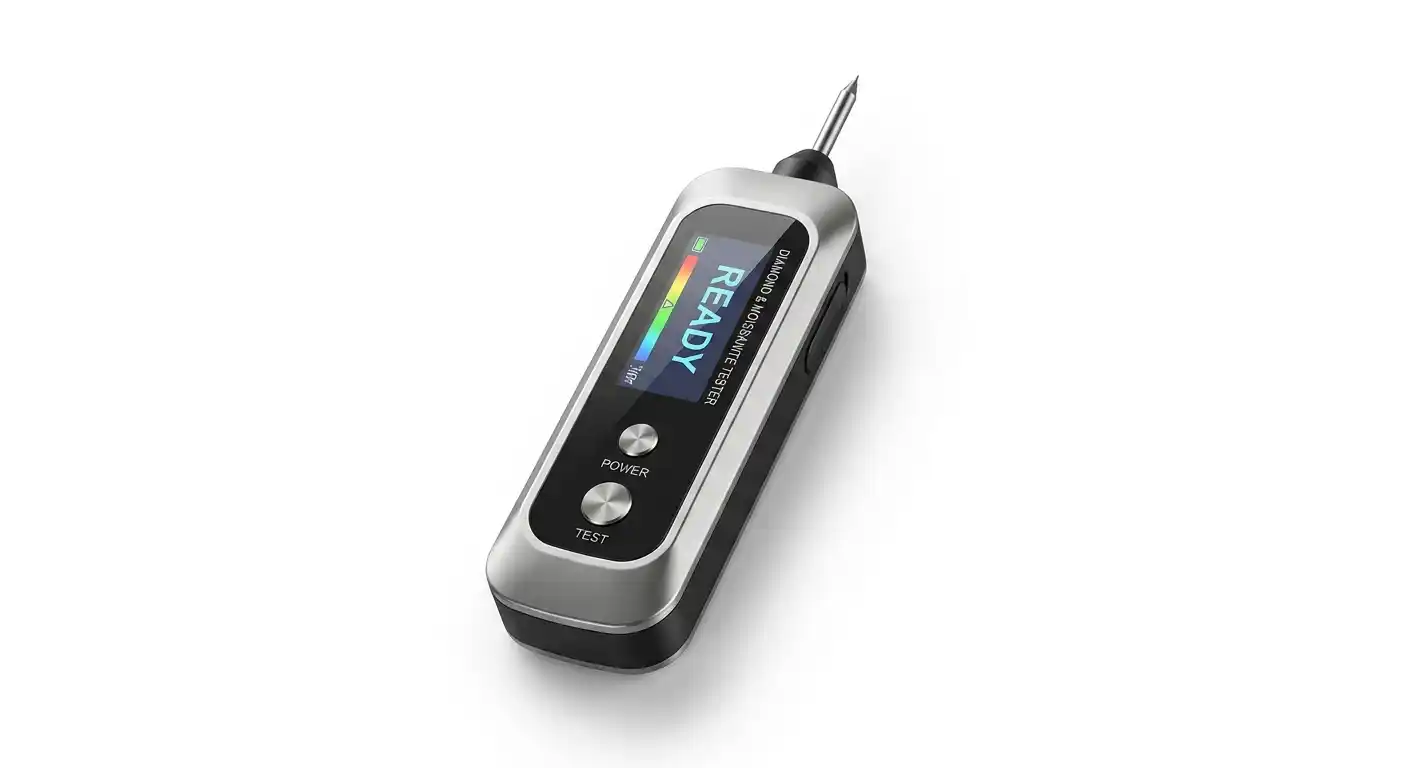
Diamond Moissanite Detection
Industry-leading dual tester that distinguishes diamonds from moissanite and all simulants.
Industry-leading dual tester that distinguishes diamonds from moissanite and all simulants. One-button operation with clear LED readout.
"The gold standard for good reason. Catches moissanite every time when basic testers fail. Essential for serious collectors.
Dreamer Jewelers Loupe 60X-100X with LED and UV Light
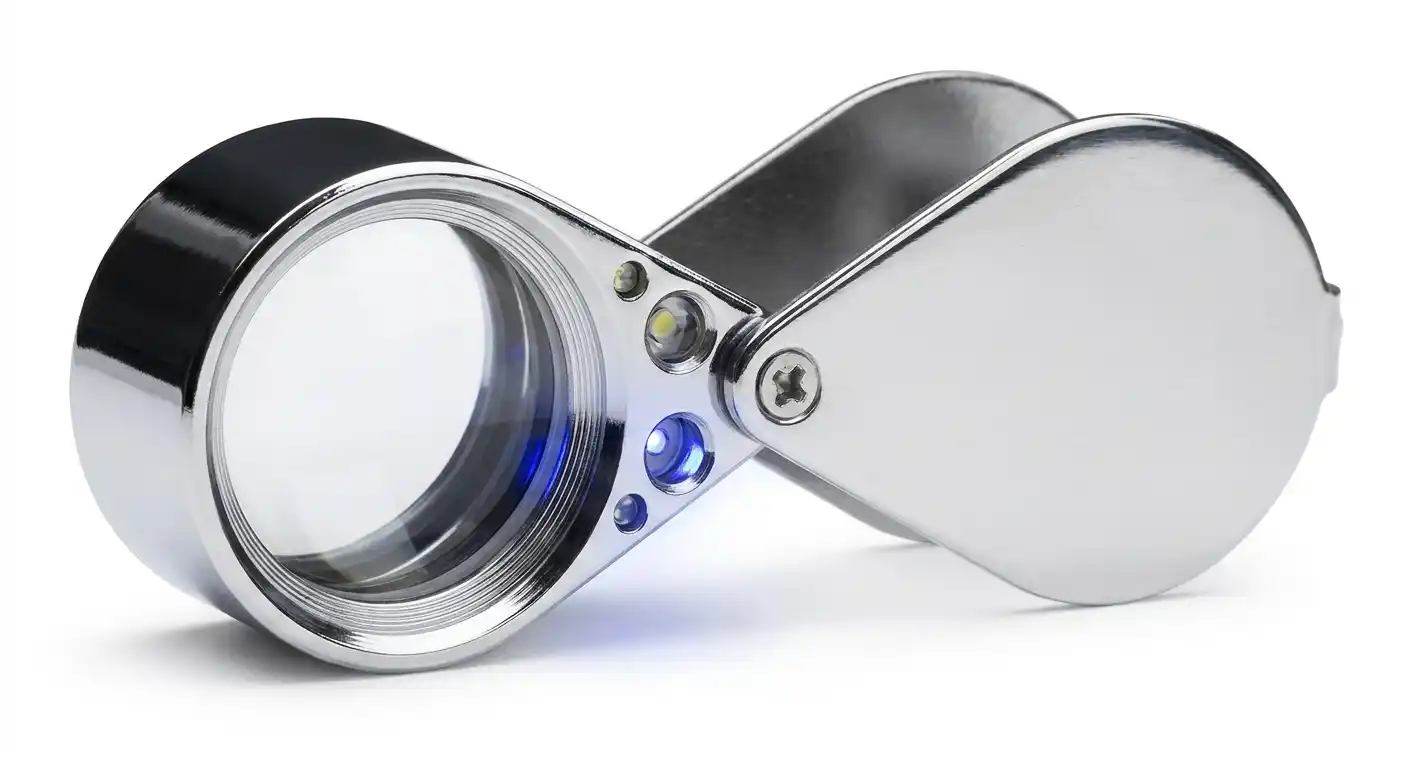
Dreamer Jewelers Loupe 60X 100X with LED and UV Light
Dual magnification with integrated LED for inclusions and UV for fluorescence testing.
Dual magnification with integrated LED for inclusions and UV for fluorescence testing. Incredible value for a combination tool.
"Three tools in one at an unbeatable price. The UV light caught a treated sapphire I almost missed.
Presidium Duo Tester (PDT II) Diamond and Colored Gemstone Tester
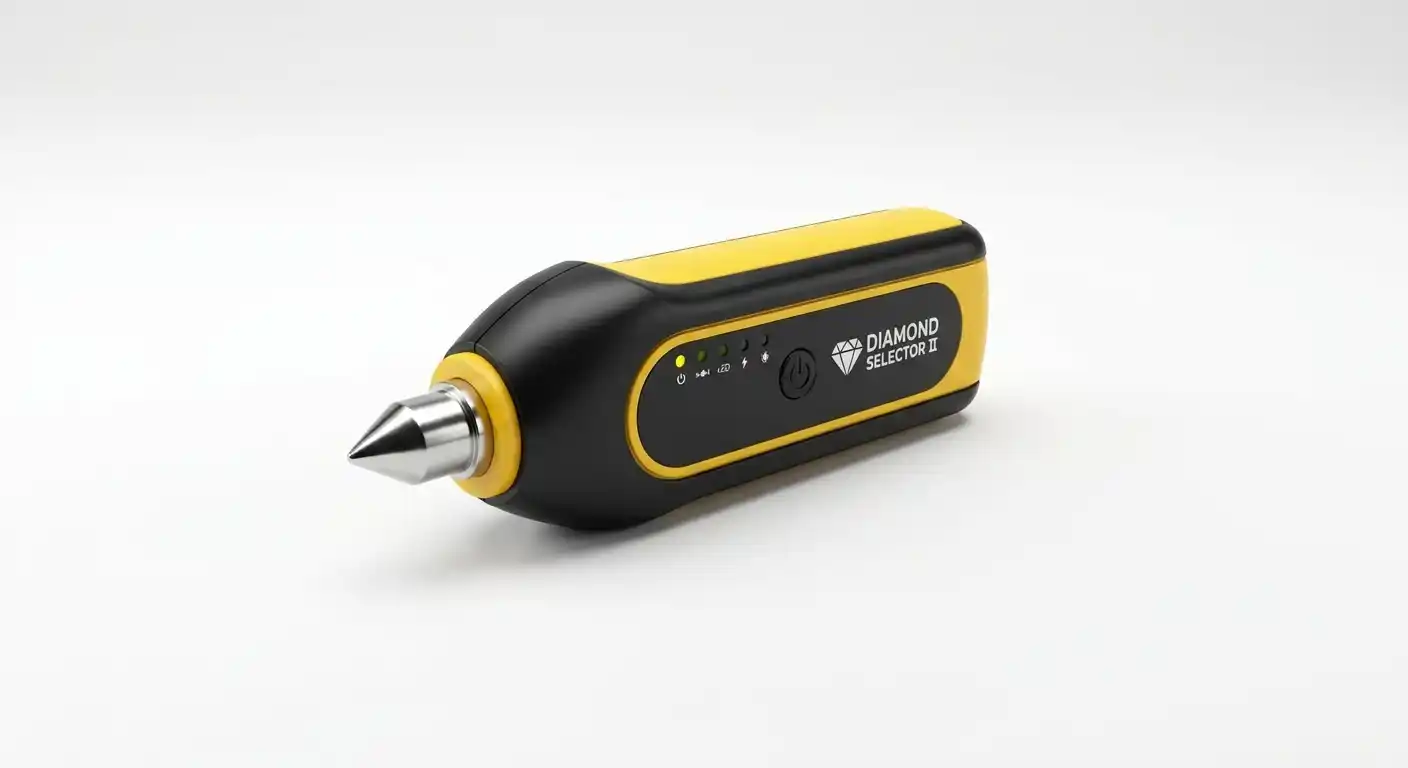
PDT II Diamond and Colored Gemstone Tester
Dual thermal and electrical conductivity testing in one unit.
Dual thermal and electrical conductivity testing in one unit. Identifies diamonds, moissanite, and colored gems that single-function testers miss.
"Worth the step up from budget testers — catches moissanite that single-probe units miss.
LIGHTFE 365nm UV Flashlight - Professional Black Light
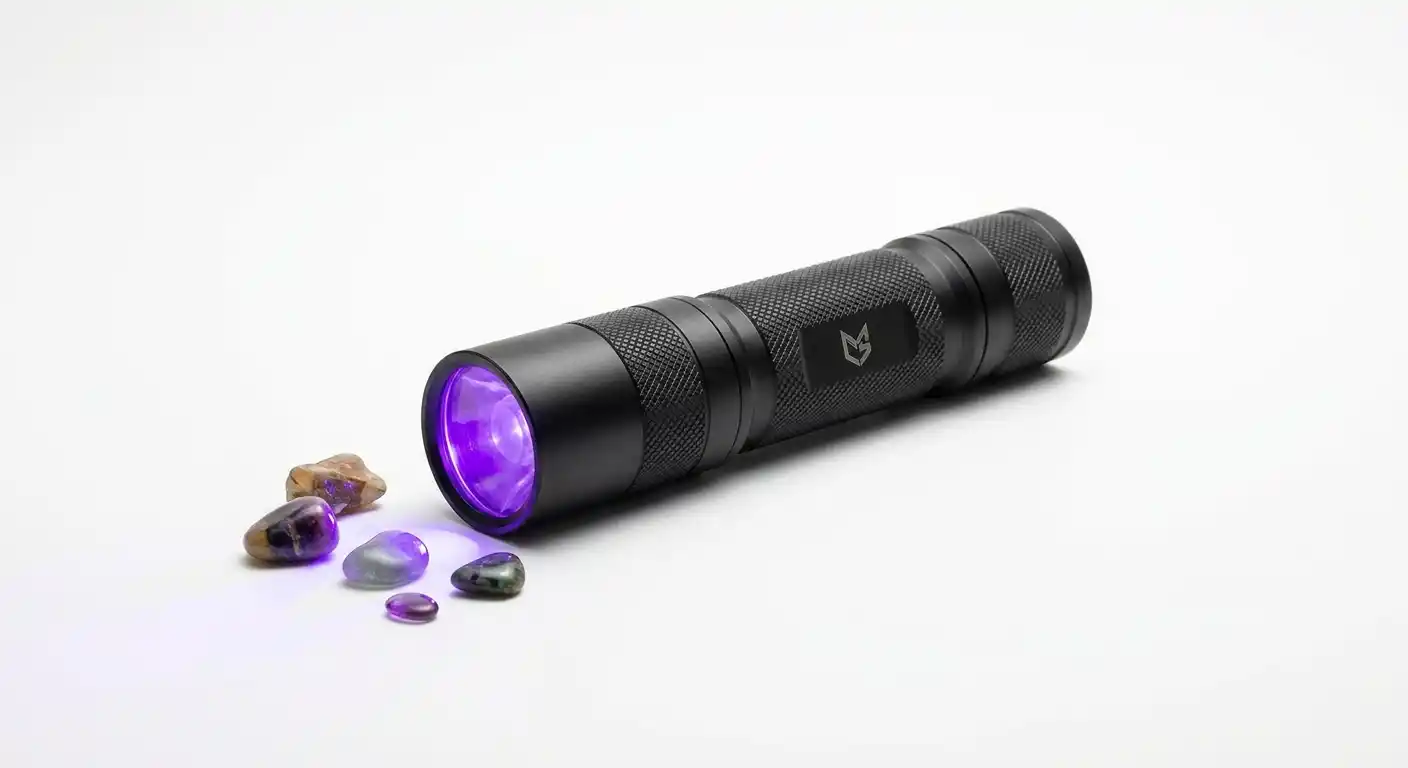
Professional Black Light
True 365nm wavelength for accurate fluorescence testing.
True 365nm wavelength for accurate fluorescence testing. Reveals treatments, synthetics, and natural fluorescence patterns.
"Night and day difference from cheap UV lights. Finally seeing true fluorescence like gemologists describe.
Fuzion Digital Pocket Scale 0.01g Precision
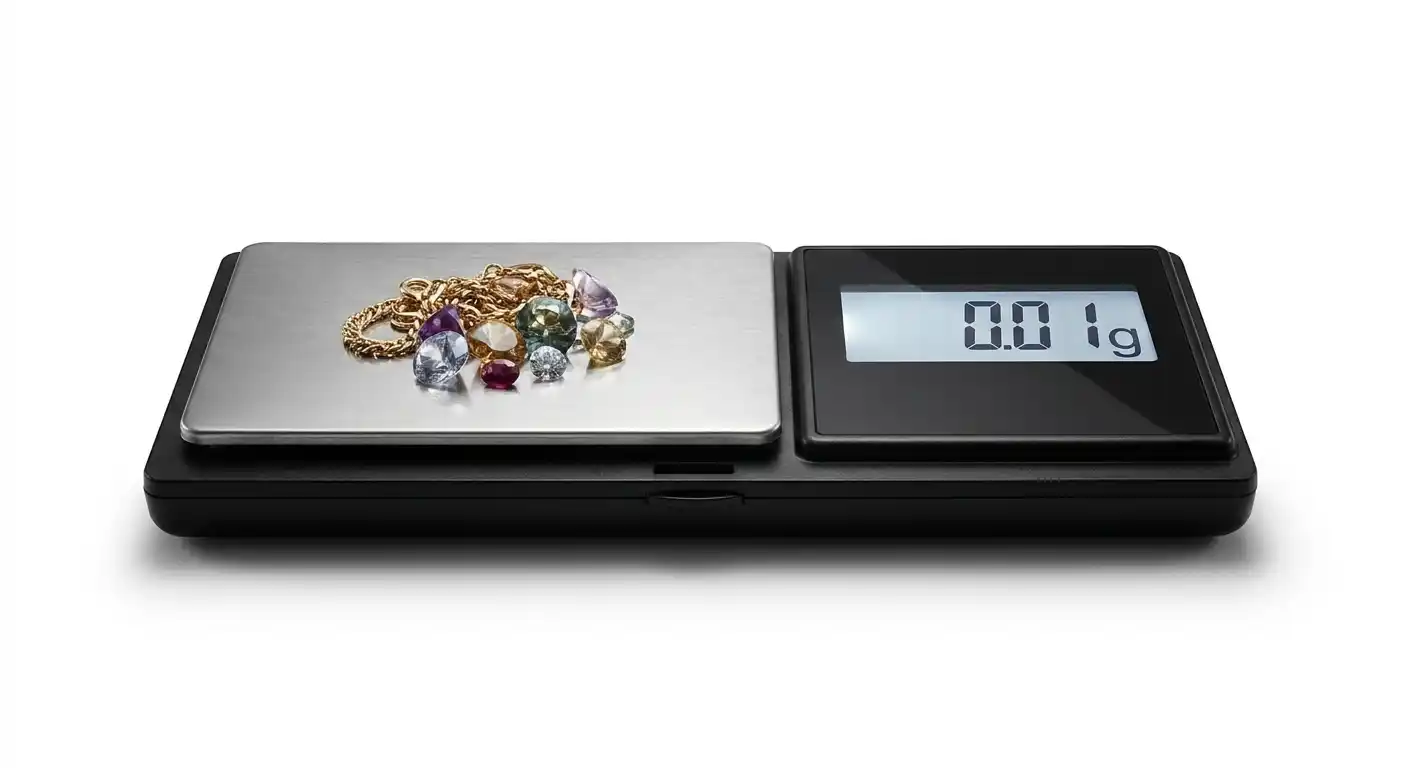
Fuzion Digital Pocket Scale 0 01g Precision
High-precision scale for specific gravity testing.
High-precision scale for specific gravity testing. 0.01g accuracy with tare function and multiple weighing modes.
"Accurate and reliable. Specific gravity readings matched professional appraisal results.
Review of Our Favorite 3
Diamond Moissanite Detection
Industry-leading dual tester that distinguishes diamonds from moissanite and all simulants.
Dreamer Jewelers Loupe 60X 100X with LED and UV Light
Dual magnification with integrated LED for inclusions and UV for fluorescence testing.
PDT II Diamond and Colored Gemstone Tester
Dual thermal and electrical conductivity testing in one unit.
About the Author
Alfreda Borror
Alfreda Borror is the founding editor of Opulent Opal, writing research-based buying guides on diamonds, birthstones, and fine jewelry.